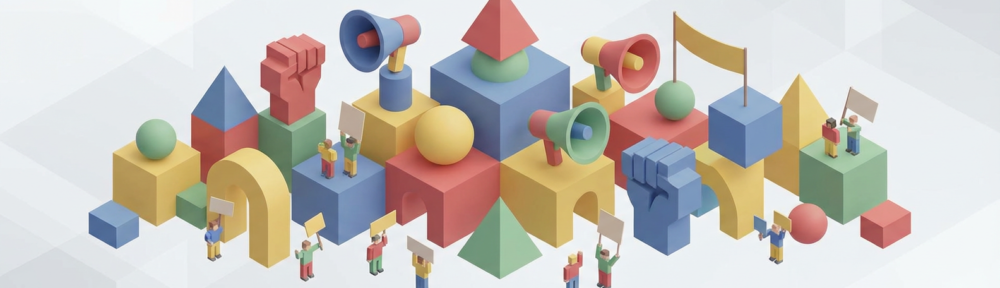
Beyond the Barricades: When Resistance Gets a Rebrand
Walk through any major city right now and you’ll spot them: the wheat-paste posters with razor-sharp typography, the hand-painted banners that somehow look more polished than most corporate campaigns, the protest signs that double as museum-worthy design pieces. What we’re witnessing isn’t just political mobilization. It’s the full aesthetic weaponization of dissent.
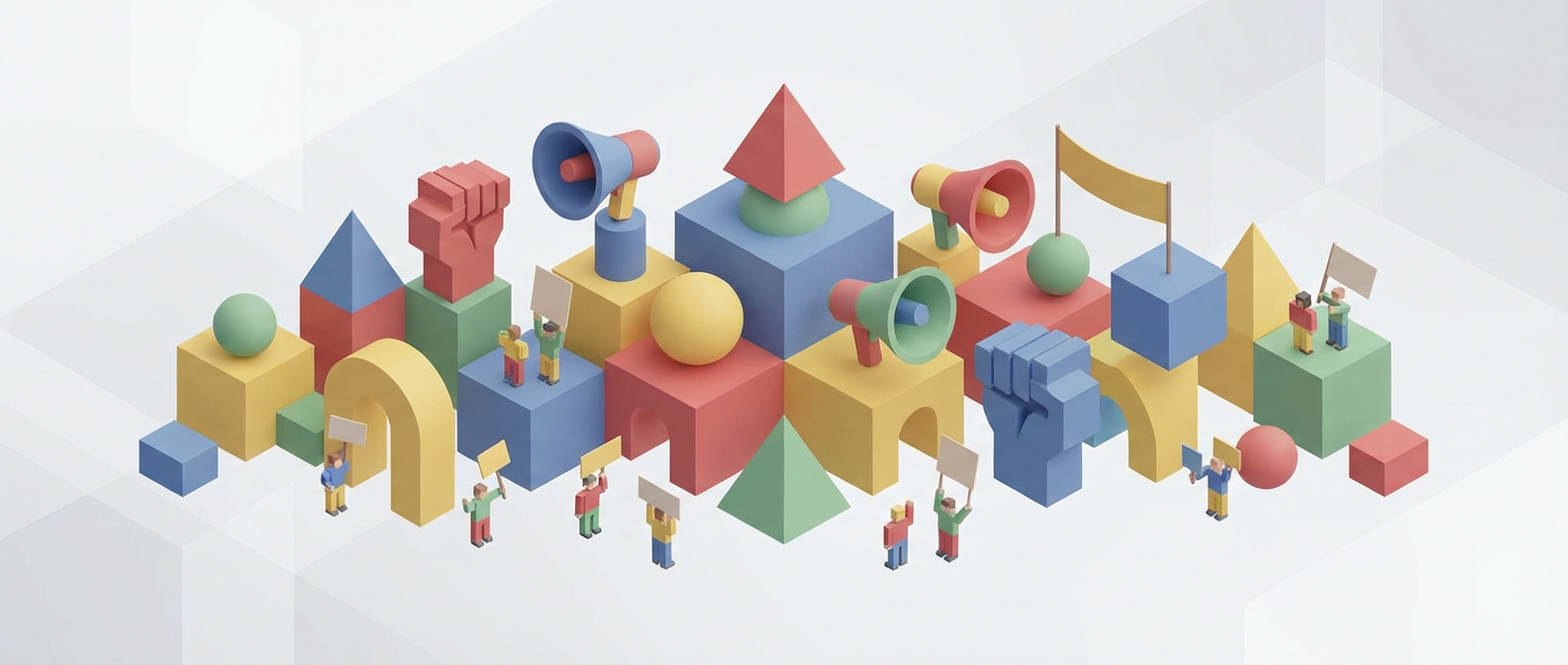
This isn’t your parents’ protest art. Gone are the days of hastily scrawled cardboard and spray-painted bed sheets. Today’s activist design borrows from street art, luxury branding, and punk zine culture with surgical precision. The visual language of resistance has transformed into something far more sophisticated than most people realize.
Take the work coming out of collectives like Justseeds or the Design Action Collective. These aren’t amateur hour operations. We’re talking about designers who cut their teeth at agencies before turning their skills toward dismantling the very systems that trained them. The irony is delicious. The execution? Flawless.
The Toolkit of Tactical Media
Smart activists know that aesthetics aren’t superficial. They’re strategic. The visual codes of protest communicate faster than any manifesto, create instant community markers, and most importantly, they get shared. In the attention economy, ugly doesn’t trend.
The current gold standard involves clean sans-serif typography, bold color blocking, and imagery that works equally well on a poster and as an Instagram story. Think about the visual consistency of movements like Extinction Rebellion with their hourglass logo, or the way Black Lives Matter imagery created a cohesive visual ecosystem across thousands of independent creators.
But here’s what’s really wild: the tools themselves are being democratized. Canva templates for revolution. Adobe Creative Suite meetups that double as organizing spaces. TikTok tutorials on banner-making that rack up millions of views. The masses have seized the means of aesthetic production, and they’re using them better than most marketing departments.
The underground printmaking scene deserves special mention here. Studios like Spudnik Press in Chicago or Women’s Studio Workshop in New York are churning out work that would make any gallery curator weep. Screen-printing has become the vinyl record of visual media: tactile, authentic, and impossible to replicate digitally.
When the Medium Becomes the Movement
But there’s a tension brewing beneath all this beautiful resistance. As protest aesthetics get slicker, they also get easier to steal. Nike’s Colin Kaepernick campaign, anyone? When your revolutionary imagery looks identical to brand activation, what exactly are you revolting against?
The smartest collectives are already thinking three moves ahead. Groups like the Guerrilla Girls have been playing this game for decades, constantly shifting their visual language to stay ahead of commercial appropriation. Their gorilla masks weren’t just about anonymity, they were about creating imagery too weird and specific for corporate consumption.
Meanwhile, newer collectives are building obsolescence into their aesthetics. They’ll flood social media with a particular visual style, watch it get picked up by brands, then immediately pivot to something completely different. It’s aesthetic guerrilla warfare, and honestly, it’s brilliant to watch unfold in real time.
The Economics of Engagement
Let’s talk money, because everything always comes back to money. Professional activist design costs resources that many grassroots movements simply don’t have. This creates a two-tier system where well-funded causes get museum-quality visuals while scrappier organizations are stuck with whatever volunteers can produce on their lunch breaks.
The response has been typically ingenious. Mutual aid networks for design services. Open-source graphic libraries. Skill-sharing workshops that double as political education. The same gift economy principles that fuel underground music scenes are being applied to visual resistance.
Some of the most effective work is coming out of these resource-constrained environments. When you can’t afford a professional photographer, you get creative with phone cameras and found imagery. When you can’t hire a graphic designer, you learn to make beauty from whatever tools you have access to. Constraints breed innovation, and the aesthetic results often surpass anything that comes out of traditional design processes.
Future Visions and Present Tensions
The next frontier is already emerging in augmented reality activism and NFT-based organizing tools. Imagine protest signs that come alive when viewed through a phone camera, or blockchain-verified authenticity for movement imagery. The technology exists. The question is whether underground communities will embrace it or reject it as another Silicon Valley colonization attempt.
What excites me most is watching how global movements are cross-pollinating aesthetically. Hong Kong umbrella imagery showing up in climate protests. Indigenous design principles informing anti-pipeline campaigns. Black Lives Matter typography inspiring labor organizing visuals. We’re witnessing the birth of a truly international visual language of resistance.
The challenge moving forward will be maintaining aesthetic integrity while scaling impact. How do you keep protest design sharp and subversive when everyone from politicians to pizza companies wants to borrow your visual vocabulary? How do you preserve the underground when the underground keeps getting excavated and strip-mined by the mainstream?
These questions matter more than they might initially seem. In a world where politics is increasingly about narrative and aesthetics, the visual language of resistance becomes a form of power unto itself. The groups that master this language will shape how we see current movements, but also how we imagine future possibilities for change. Keep watching the walls, the screens, and the spaces between. That’s where the real revolution is being designed.