Empty Towers, Full Streets
Downtown cores across America tell a story of transformation written in vacant office windows and bustling sidewalk cafes. The shift toward remote work has left commercial districts with occupancy rates hovering around 50% of pre-2020 levels. But this isn’t just an economic story. It’s a cultural one.

Cities are discovering their identity was never really about glass towers filled with commuters. The exodus from traditional office spaces has revealed something deeper about urban culture. Neighborhoods once defined by their 9-to-5 rhythms are finding new personalities. Street-level businesses that once catered to lunch crowds are becoming community gathering spaces. The cultural geography of cities is being redrawn right in front of us.
This shift forces us to ask basic questions about what makes a city work. Without the daily flood of office workers, urban centers need new reasons for people to show up. Culture might be the best answer they’ve got.
The Great Cultural Shuffle
Mid-size cities are experiencing their own cultural earthquake. Arts institutions that held down downtown districts for decades have shuttered, leaving behind more than empty buildings. They’ve created cultural holes that smaller, scrappier organizations are rushing to fill.
In cities like Buffalo and Richmond, the closure of major museums and theaters has scattered the arts scene across neighborhoods. Pop-up galleries appear in former retail spaces. Musicians perform in converted warehouses. Theater groups stage productions in parks. This spread-out approach isn’t just about finding cheaper rent. It’s about reimagining what urban culture looks like when it’s not stuck in designated cultural districts.
The result is messier but often more alive. Cultural activities that once required formal institutions and serious funding are finding new forms. CityLab urban culture researchers note that this grassroots cultural ecosystem often proves tougher than its institutional predecessor.
But this creative boom has complications. As artists and cultural workers seek affordable spaces, they often land in working-class neighborhoods. The very energy they create can trigger displacement of the communities that welcomed them.
The Gentrification Paradox
The relationship between culture and displacement has never been more tense. Creative professionals fleeing expensive urban cores are finding homes in neighborhoods that were previously overlooked. Their arrival brings coffee shops, galleries, and farmers markets. It also brings rising rents and property values.
Cities are wrestling with an uncomfortable truth. The cultural energy that makes neighborhoods desirable often makes them unaffordable for longtime residents. In Detroit, the same art scene that helped revitalize downtown is now pricing out the communities that sustained those neighborhoods through decades of disinvestment.
Some cities are trying community land trusts and inclusionary zoning to preserve affordable housing in culturally active areas. Others are investing in cultural programming that actually includes longtime residents rather than treating them as obstacles to improvement. How well these efforts work will determine whether urban culture can grow without eating the communities that feed it.
The stakes are high. Cities that fail to address this paradox risk creating sterile cultural districts that lack the authentic community connections that made them special in the first place.
After Dark, Before Dawn
City planners are rediscovering the night. For decades, urban policy focused on daytime activities and suburban commuters. Now, with downtown offices emptier and residential populations growing, cities are paying real attention to what happens after 5 PM.
Night-time economy policies are becoming important tools for urban identity. Cities like Amsterdam and London have appointed “night mayors” to advocate for evening and late-night businesses. These policies recognize that a city’s cultural personality often shows itself most clearly after dark.
The approach goes beyond simply extending bar hours. It covers street lighting that makes pedestrians feel safe, public transportation that helps night workers, and zoning that allows mixed-use developments where people can live, work, and play in the same area. Curbed urban design coverage shows how these policies are reshaping not just nightlife but entire neighborhood identities.
Cities are learning that strong night-time economies require more than just venues. They need communities of people who live in the area and see it as home rather than just a destination.
The Third Place Renaissance
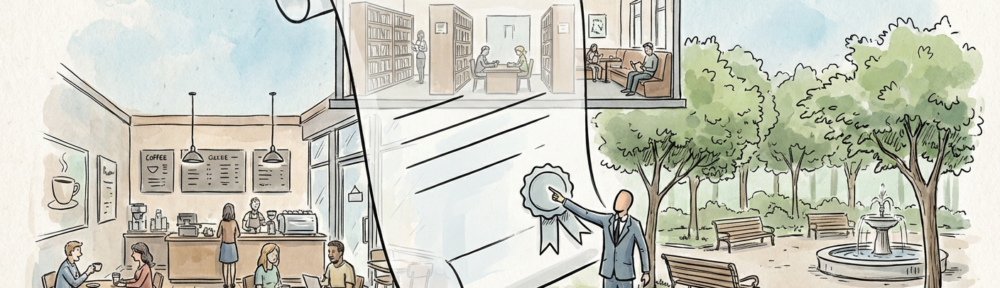
Coffee shops, libraries, and parks are having a moment. These “third places” – spaces that aren’t home or work – have become essential infrastructure for urban culture. The pandemic reminded cities how important these spaces are for community building and social connection.
Policy makers are taking notice. Cities are investing in library renovations that create maker spaces and community meeting rooms. Park programming now includes everything from outdoor movie screenings to farmers markets. Coffee shops are being seen as informal community centers that deserve support during economic rough patches.
This renewed focus on third places reflects a broader understanding of how urban culture actually works. It’s not just about major cultural institutions or entertainment districts. It’s about the everyday spaces where neighbors run into each other and communities form.
But even this comeback faces challenges. Many communities have lost their local news outlets, leaving more than 200 counties across the United States without any news coverage. When local journalism disappears, communities lose an important tool for understanding themselves and organizing around shared interests. Third places can provide gathering spots, but they can’t replace the shared information that helps communities function.
Mapping the Future
Urban culture is being rewritten in real time. The changes aren’t uniform – each city is developing its own response to remote work, cultural institution closures, and shifting demographics. But common themes are emerging around inclusivity, accessibility, and community ownership of cultural spaces.
The cities that thrive will be those that embrace this messiness rather than trying to control it. They’ll recognize that authentic urban culture can’t be manufactured or managed from above. It grows from the daily interactions of people who see themselves as having a stake in their community’s future.
What’s your city’s cultural story becoming? The next chapter is being written in the coffee shop conversations, park gatherings, and late-night venues where urban identity takes shape one interaction at a time.