Empty Towers, Empty Promises
Downtown cores across America now resemble stage sets after the actors have gone home. Remote work has permanently slashed office occupancy rates, leaving gleaming towers half-empty and the street-level businesses that once fed off corporate foot traffic gasping for air. This isn’t temporary pandemic disruption. It’s structural transformation.
Cities built their identities around density, around the productive friction of millions of people sharing space. Now that friction has moved to home offices and suburban co-working spaces. What remains is infrastructure without purpose, like cathedrals in a secular age. The question isn’t whether downtown will recover, it’s whether it can reinvent itself as something other than a monument to pre-pandemic assumptions about work and community.
The numbers tell a brutal story. Even in supposedly thriving metros, office vacancy rates hover around 30 percent. Commercial real estate values have crashed. The lunch spots, dry cleaners, and corner delis that formed the connective tissue of urban life have shuttered. What emerges from this economic wreckage will determine whether cities keep their cultural vitality or become hollow shells of their former selves.
Culture Wars in the Ruins
Mid-size cities face a particularly cruel irony. Just as they were building cultural infrastructure to compete with larger metros, the pandemic forced mass closures of theaters, galleries, and music venues. Many won’t reopen. The arts organizations that survived did so by cutting programming, reducing staff, and abandoning risk-taking in favor of safe, crowd-pleasing shows.
This cultural pullback hits smaller cities hardest because they lack the deep donor bases and institutional wealth of major metros. When a regional theater company folds in Kansas City or Louisville, it doesn’t just eliminate jobs. It removes a piece of local identity, leaving residents with fewer reasons to see their city as culturally different from anywhere else.
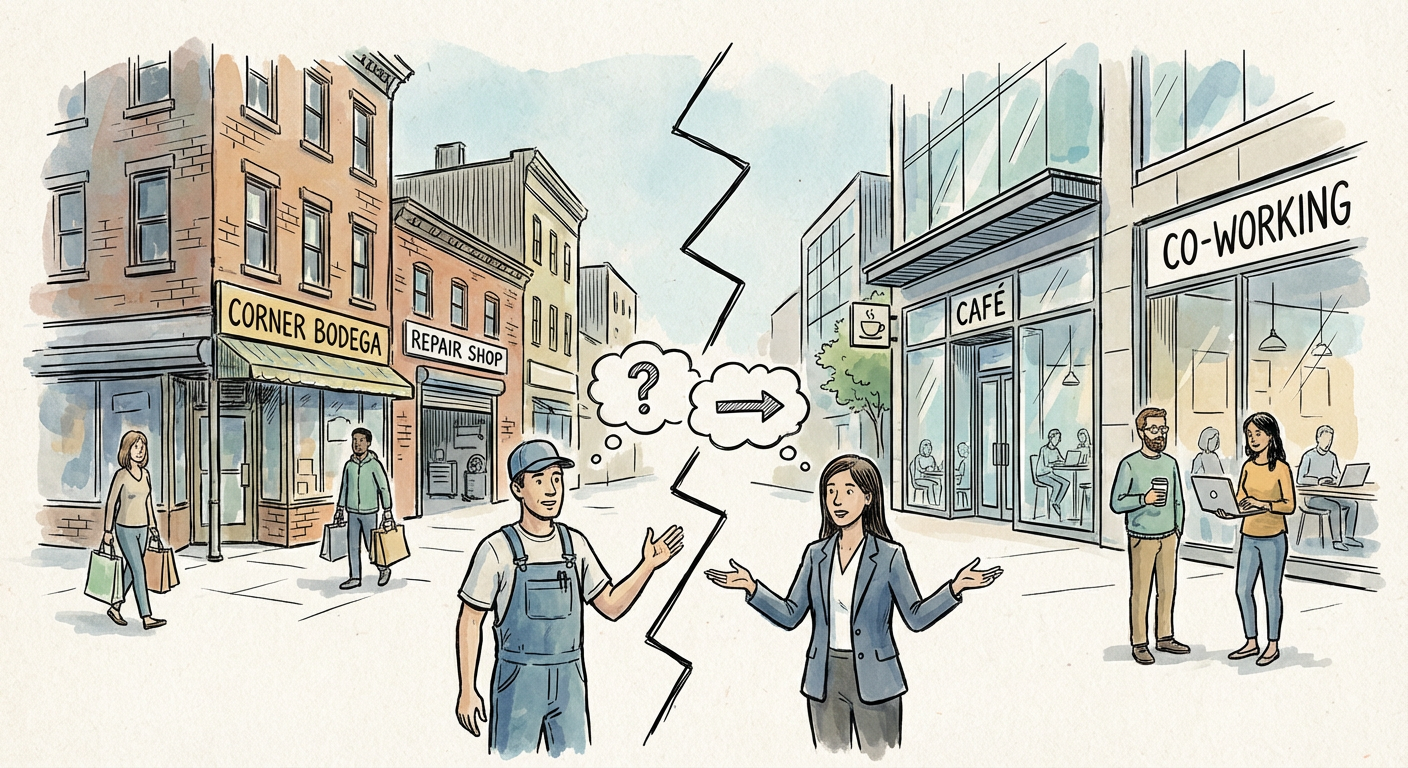
Meanwhile, gentrification debates have gotten more heated as the creative class seeks affordable spaces in working-class neighborhoods. The same artists and cultural workers displaced by rising rents in city centers now compete with longtime residents for housing in traditionally affordable areas. This displacement creates a vicious cycle where cultural communities cannibalize themselves, destroying the very authenticity they seek to preserve.
The CityLab urban culture discourse often frames this as inevitable urban evolution. But that sanitized view ignores the human cost of treating culture as a commodity rather than a community asset.
After Dark: The Economics of Night
Cities are finally waking up to what urbanists have known for decades: the night-time economy drives cultural vitality. Local governments now craft explicit policies to support after-hours businesses, recognizing that bars, clubs, and late-night eateries create the social infrastructure where urban culture actually happens.
These policies matter because night-time businesses face unique challenges. Noise complaints, parking issues, and security concerns make them vulnerable to NIMBY opposition. Without active municipal support, the venues where local music scenes grow and where young people form community simply vanish.
But policy solutions often miss the mark. Cities focus on licensing and zoning changes while ignoring deeper issues like affordable housing for service workers and public transit that actually runs during night shifts. You can’t legislate a lively night-time economy into existence while systematically excluding the people who make it work.
The result is a sanitized version of nightlife designed for tourists and affluent residents rather than the messy, authentic scenes that give cities their character. We get rooftop bars and craft cocktail lounges while the dive bars and all-ages venues disappear.
The Third Place Crisis
Coffee shops, libraries, and parks got renewed attention during the pandemic as people rediscovered the importance of neutral gathering spaces. These “third places” between home and work provide the informal social infrastructure where urban culture develops organically.
But policymakers often treat third places as amenities rather than necessities. Libraries face budget cuts even as demand for their services surges. Independent coffee shops struggle against chains that can afford rising commercial rents. Parks get investment in wealthy neighborhoods while neglecting green space in working-class areas.
This uneven distribution reflects broader inequalities in cultural access. The communities most in need of free, public gathering spaces are least likely to have them. Without third places, neighborhoods become collections of private spaces with no shared cultural life. Residents pass each other as strangers rather than forming the weak social ties that make urban living rewarding.
The irony is that these spaces require relatively little investment to maintain but enormous political will to create and protect. A functioning library branch does more for neighborhood culture than most expensive public art installations. Yet cities consistently prioritize flashy projects over basic cultural infrastructure.
Silenced Stories
Perhaps most damaging to urban culture is the collapse of local media. Over 200 American counties now lack any local news coverage whatsoever. This isn’t just an information problem. It’s a cultural crisis.
Local journalism doesn’t just report on city council meetings and school board elections. It creates shared narratives about place. Restaurant reviews, arts coverage, and neighborhood profiles help residents understand their city as a coherent cultural entity rather than a collection of disconnected experiences.
Without local media, cities lose their ability to talk to themselves. Cultural events go unnoticed. Local artists work in isolation. Residents rely on social media algorithms rather than local knowledge to discover what’s happening around them. The result is cultural fragmentation that makes urban life feel less connected and meaningful.
National publications occasionally parachute in to cover local stories, but they lack the institutional knowledge and daily engagement that create cultural continuity. Curbed urban design coverage offers smart analysis of development patterns, but it can’t replace beat reporters who know which venues matter to local scenes.
These challenges demand uncomfortable conversations about what cities are actually for and who they work for. Rather than accepting cultural decline as inevitable, we might ask what kinds of policies and investments could rebuild urban culture from the ground up. The answers probably won’t come from planning departments or economic development committees. They’ll emerge from the communities most invested in making their cities culturally vital places to live.