The New Urban DNA: How Cities Are Rewriting Their Cultural Code

Empty Towers, Full Streets

Downtown cores across America tell a story of transformation written in vacant office windows and bustling sidewalk cafes. The shift toward remote work has left commercial districts with occupancy rates hovering around 50% of pre-2020 levels. But this isn’t just an economic story. It’s a cultural one.

The New Urban DNA: How Cities Are Rewriting Their Cultural Code

Cities are discovering their identity was never really about glass towers filled with commuters. The exodus from traditional office spaces has revealed something deeper about urban culture. Neighborhoods once defined by their 9-to-5 rhythms are finding new personalities. Street-level businesses that once catered to lunch crowds are becoming community gathering spaces. The cultural geography of cities is being redrawn right in front of us.

This shift forces us to ask basic questions about what makes a city work. Without the daily flood of office workers, urban centers need new reasons for people to show up. Culture might be the best answer they’ve got.

The Great Cultural Shuffle

Mid-size cities are experiencing their own cultural earthquake. Arts institutions that held down downtown districts for decades have shuttered, leaving behind more than empty buildings. They’ve created cultural holes that smaller, scrappier organizations are rushing to fill.

In cities like Buffalo and Richmond, the closure of major museums and theaters has scattered the arts scene across neighborhoods. Pop-up galleries appear in former retail spaces. Musicians perform in converted warehouses. Theater groups stage productions in parks. This spread-out approach isn’t just about finding cheaper rent. It’s about reimagining what urban culture looks like when it’s not stuck in designated cultural districts.

The result is messier but often more alive. Cultural activities that once required formal institutions and serious funding are finding new forms. CityLab urban culture researchers note that this grassroots cultural ecosystem often proves tougher than its institutional predecessor.

But this creative boom has complications. As artists and cultural workers seek affordable spaces, they often land in working-class neighborhoods. The very energy they create can trigger displacement of the communities that welcomed them.

The Gentrification Paradox

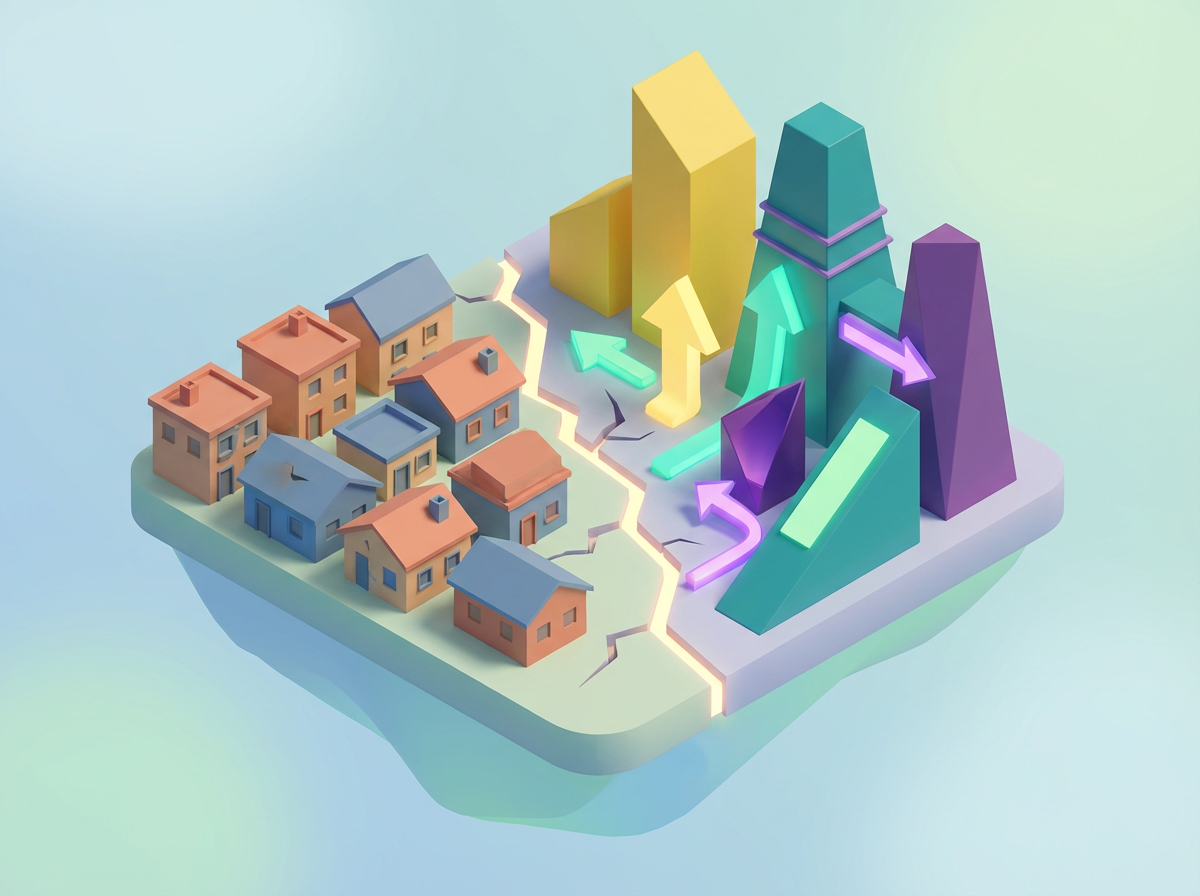
The relationship between culture and displacement has never been more tense. Creative professionals fleeing expensive urban cores are finding homes in neighborhoods that were previously overlooked. Their arrival brings coffee shops, galleries, and farmers markets. It also brings rising rents and property values.

Cities are wrestling with an uncomfortable truth. The cultural energy that makes neighborhoods desirable often makes them unaffordable for longtime residents. In Detroit, the same art scene that helped revitalize downtown is now pricing out the communities that sustained those neighborhoods through decades of disinvestment.

Some cities are trying community land trusts and inclusionary zoning to preserve affordable housing in culturally active areas. Others are investing in cultural programming that actually includes longtime residents rather than treating them as obstacles to improvement. How well these efforts work will determine whether urban culture can grow without eating the communities that feed it.

The stakes are high. Cities that fail to address this paradox risk creating sterile cultural districts that lack the authentic community connections that made them special in the first place.

After Dark, Before Dawn

City planners are rediscovering the night. For decades, urban policy focused on daytime activities and suburban commuters. Now, with downtown offices emptier and residential populations growing, cities are paying real attention to what happens after 5 PM.

Night-time economy policies are becoming important tools for urban identity. Cities like Amsterdam and London have appointed “night mayors” to advocate for evening and late-night businesses. These policies recognize that a city’s cultural personality often shows itself most clearly after dark.

The approach goes beyond simply extending bar hours. It covers street lighting that makes pedestrians feel safe, public transportation that helps night workers, and zoning that allows mixed-use developments where people can live, work, and play in the same area. Curbed urban design coverage shows how these policies are reshaping not just nightlife but entire neighborhood identities.

Cities are learning that strong night-time economies require more than just venues. They need communities of people who live in the area and see it as home rather than just a destination.

The Third Place Renaissance

Coffee shops, libraries, and parks are having a moment. These “third places” – spaces that aren’t home or work – have become essential infrastructure for urban culture. The pandemic reminded cities how important these spaces are for community building and social connection.

Policy makers are taking notice. Cities are investing in library renovations that create maker spaces and community meeting rooms. Park programming now includes everything from outdoor movie screenings to farmers markets. Coffee shops are being seen as informal community centers that deserve support during economic rough patches.

This renewed focus on third places reflects a broader understanding of how urban culture actually works. It’s not just about major cultural institutions or entertainment districts. It’s about the everyday spaces where neighbors run into each other and communities form.

But even this comeback faces challenges. Many communities have lost their local news outlets, leaving more than 200 counties across the United States without any news coverage. When local journalism disappears, communities lose an important tool for understanding themselves and organizing around shared interests. Third places can provide gathering spots, but they can’t replace the shared information that helps communities function.

Mapping the Future

Urban culture is being rewritten in real time. The changes aren’t uniform – each city is developing its own response to remote work, cultural institution closures, and shifting demographics. But common themes are emerging around inclusivity, accessibility, and community ownership of cultural spaces.

The cities that thrive will be those that embrace this messiness rather than trying to control it. They’ll recognize that authentic urban culture can’t be manufactured or managed from above. It grows from the daily interactions of people who see themselves as having a stake in their community’s future.

What’s your city’s cultural story becoming? The next chapter is being written in the coffee shop conversations, park gatherings, and late-night venues where urban identity takes shape one interaction at a time.
The Hollowed City: How Post-Pandemic Urban Culture Lost Its Soul

Empty Towers, Empty Promises

Downtown cores across America now resemble stage sets after the actors have gone home. Remote work has permanently slashed office occupancy rates, leaving gleaming towers half-empty and the street-level businesses that once fed off corporate foot traffic gasping for air. This isn’t temporary pandemic disruption. It’s structural transformation.

The Hollowed City: How Post-Pandemic Urban Culture Lost Its Soul

Cities built their identities around density, around the productive friction of millions of people sharing space. Now that friction has moved to home offices and suburban co-working spaces. What remains is infrastructure without purpose, like cathedrals in a secular age. The question isn’t whether downtown will recover, it’s whether it can reinvent itself as something other than a monument to pre-pandemic assumptions about work and community.

The numbers tell a brutal story. Even in supposedly thriving metros, office vacancy rates hover around 30 percent. Commercial real estate values have crashed. The lunch spots, dry cleaners, and corner delis that formed the connective tissue of urban life have shuttered. What emerges from this economic wreckage will determine whether cities keep their cultural vitality or become hollow shells of their former selves.

Illustration for The Hollowed City: How Post-Pandemic Urban Culture Lost Its Soul

Culture Wars in the Ruins

Mid-size cities face a particularly cruel irony. Just as they were building cultural infrastructure to compete with larger metros, the pandemic forced mass closures of theaters, galleries, and music venues. Many won’t reopen. The arts organizations that survived did so by cutting programming, reducing staff, and abandoning risk-taking in favor of safe, crowd-pleasing shows.

This cultural pullback hits smaller cities hardest because they lack the deep donor bases and institutional wealth of major metros. When a regional theater company folds in Kansas City or Louisville, it doesn’t just eliminate jobs. It removes a piece of local identity, leaving residents with fewer reasons to see their city as culturally different from anywhere else.

Meanwhile, gentrification debates have gotten more heated as the creative class seeks affordable spaces in working-class neighborhoods. The same artists and cultural workers displaced by rising rents in city centers now compete with longtime residents for housing in traditionally affordable areas. This displacement creates a vicious cycle where cultural communities cannibalize themselves, destroying the very authenticity they seek to preserve.

The CityLab urban culture discourse often frames this as inevitable urban evolution. But that sanitized view ignores the human cost of treating culture as a commodity rather than a community asset.

After Dark: The Economics of Night

Cities are finally waking up to what urbanists have known for decades: the night-time economy drives cultural vitality. Local governments now craft explicit policies to support after-hours businesses, recognizing that bars, clubs, and late-night eateries create the social infrastructure where urban culture actually happens.

These policies matter because night-time businesses face unique challenges. Noise complaints, parking issues, and security concerns make them vulnerable to NIMBY opposition. Without active municipal support, the venues where local music scenes grow and where young people form community simply vanish.

But policy solutions often miss the mark. Cities focus on licensing and zoning changes while ignoring deeper issues like affordable housing for service workers and public transit that actually runs during night shifts. You can’t legislate a lively night-time economy into existence while systematically excluding the people who make it work.

The result is a sanitized version of nightlife designed for tourists and affluent residents rather than the messy, authentic scenes that give cities their character. We get rooftop bars and craft cocktail lounges while the dive bars and all-ages venues disappear.

The Third Place Crisis

Coffee shops, libraries, and parks got renewed attention during the pandemic as people rediscovered the importance of neutral gathering spaces. These “third places” between home and work provide the informal social infrastructure where urban culture develops organically.

But policymakers often treat third places as amenities rather than necessities. Libraries face budget cuts even as demand for their services surges. Independent coffee shops struggle against chains that can afford rising commercial rents. Parks get investment in wealthy neighborhoods while neglecting green space in working-class areas.

This uneven distribution reflects broader inequalities in cultural access. The communities most in need of free, public gathering spaces are least likely to have them. Without third places, neighborhoods become collections of private spaces with no shared cultural life. Residents pass each other as strangers rather than forming the weak social ties that make urban living rewarding.

The irony is that these spaces require relatively little investment to maintain but enormous political will to create and protect. A functioning library branch does more for neighborhood culture than most expensive public art installations. Yet cities consistently prioritize flashy projects over basic cultural infrastructure.

Silenced Stories

Perhaps most damaging to urban culture is the collapse of local media. Over 200 American counties now lack any local news coverage whatsoever. This isn’t just an information problem. It’s a cultural crisis.

Local journalism doesn’t just report on city council meetings and school board elections. It creates shared narratives about place. Restaurant reviews, arts coverage, and neighborhood profiles help residents understand their city as a coherent cultural entity rather than a collection of disconnected experiences.

Without local media, cities lose their ability to talk to themselves. Cultural events go unnoticed. Local artists work in isolation. Residents rely on social media algorithms rather than local knowledge to discover what’s happening around them. The result is cultural fragmentation that makes urban life feel less connected and meaningful.

National publications occasionally parachute in to cover local stories, but they lack the institutional knowledge and daily engagement that create cultural continuity. Curbed urban design coverage offers smart analysis of development patterns, but it can’t replace beat reporters who know which venues matter to local scenes.

These challenges demand uncomfortable conversations about what cities are actually for and who they work for. Rather than accepting cultural decline as inevitable, we might ask what kinds of policies and investments could rebuild urban culture from the ground up. The answers probably won’t come from planning departments or economic development committees. They’ll emerge from the communities most invested in making their cities culturally vital places to live.

When Fans Became the Main Character: The Economic Engine of Internet Subcultures

The Thirty-Four Billion Dollar Passion Project

The global fandom economy now generates approximately thirty-four billion dollars annually through merchandise, events, and digital content. This figure represents more than the GDP of many nations, yet it emerged from bedroom computers and Discord servers where teenagers debated character arcs and shipping dynamics. What started as niche online communities has become a sophisticated economic ecosystem where passion translates directly into purchasing power.

When Fans Became the Main Character: The Economic Engine of Internet Subcultures

The transformation didn’t happen overnight. Internet subcultures spent decades building the infrastructure for this economic explosion. Early fan sites, mailing lists, and forum communities established the social frameworks that would later support massive commercial enterprises. When social media platforms provided the distribution networks, fandoms were ready to scale their influence exponentially.

This economic power comes from a fundamental shift in how cultural value gets created and distributed. Traditional gatekeepers lost their monopoly on taste-making as fans built their own systems for elevating content, creators, and causes. The result is an economy driven by genuine enthusiasm rather than corporate marketing strategies.

Parasocial Economics and the Psychology of Digital Devotion

Researchers have identified parasocial relationships as a distinct psychological phenomenon where individuals form one-sided emotional connections with media figures or fictional characters. These bonds generate the sustained engagement that powers fandom economies. Unlike traditional celebrity worship, parasocial relationships in digital spaces create ongoing interactive experiences that feel reciprocal even when they’re not.

Content creators have become particularly skilled at nurturing these connections through streaming platforms, social media, and direct communication channels. The relationship feels personal because it often is personal, at least partially. Creators share daily routines, creative processes, and personal struggles with audiences who respond with financial support, creative contributions, and emotional investment.

This psychological framework explains why fandom spending patterns differ dramatically from conventional consumer behavior. Fans purchase items not just for utility or status, but to maintain and strengthen their connection to creators or fictional universes. A piece of merchandise becomes a physical manifestation of an emotional relationship.

The Algorithmic Armies and Their Cultural Warfare

Stan armies represent the most organized manifestation of fandom power in the digital age. These coordinated fan groups can manipulate streaming charts, trending topics, and public discourse with military precision. Their campaigns demonstrate both the democratic potential and authoritarian tendencies that exist in networked communities.

The same organizational structures that drive artists to number one on Billboard charts also fuel cancel culture movements. Fans who mobilize to support their chosen creators can just as easily coordinate to destroy perceived enemies. This dual capacity reveals the fundamental nature of networked power in digital spaces where attention equals influence equals economic impact.

Know Your Meme culture tracking documents how these movements spread across platforms, transforming from organic enthusiasm into strategic operations. The speed and scale of these campaigns often overwhelm traditional media institutions that lack comparable organizational capabilities.

The Creative Commons of Fanfiction

Fanfiction platforms now host over ten million stories spanning every major fandom imaginable. These archives represent the largest collection of collaborative creative writing in human history. More importantly, they work as training grounds where tomorrow’s professional creators develop their skills and build audiences.

The fanfiction-to-professional pipeline has produced bestselling novelists, screenwriters, and game designers who cut their teeth writing about existing characters and worlds. This pathway bypasses traditional educational and industry gatekeepers, creating opportunities based purely on talent and community recognition. Publishers now actively scout fanfiction archives for emerging talent.

The economic implications extend beyond individual success stories. Fanfiction communities have normalized the concept of derivative works as legitimate creative expression. This cultural shift challenges traditional intellectual property frameworks and suggests new models for creative collaboration and compensation.

When Geography Becomes Irrelevant

Generation Z increasingly forms primary social connections through online communities rather than geographic proximity. Fandoms provide the social infrastructure that previous generations found in neighborhoods, schools, and local institutions. This shift has profound implications for how cultural movements emerge and spread.

Digital communities can achieve the intimacy of small towns while maintaining the diversity and resources of major cities. A teenager interested in obscure anime can find hundreds of like-minded peers instantly, regardless of physical location. These connections often prove more meaningful and lasting than relationships based solely on geographic convenience.

Fandom culture analysis at Vulture explores how these communities develop their own economies, social hierarchies, and cultural norms independent of mainstream institutions. The result is a parallel society where different rules apply and different values predominate.

The moment when internet subcultures became the dominant force in popular culture wasn’t marked by a single event but by the accumulation of millions of individual choices to prioritize passion over proximity, authenticity over authority, and community over commerce. That transformation continues to reshape not just entertainment industries, but the fundamental structures of how humans connect, create, and find meaning in an increasingly digital world.

The Fandom Factory: How Internet Subcultures Built a $34 Billion Economy

From Basement Dwellers to Market Makers

The transformation happened quietly, then all at once. What started as niche online communities gathering around shared obsessions turned into a massive economic force worth an estimated $34 billion globally. Merchandise sales, convention attendance, streaming revenues, and creator partnerships now fuel an industry that barely existed two decades ago.

The Fandom Factory: How Internet Subcultures Built a $34 Billion Economy

This isn’t your grandmother’s fan club. Modern fandom operates like a sophisticated cultural machine, with its own languages, hierarchies, and economic flows. The shift from passive consumption to active participation completely changed how audiences engage with media. Fans became producers, critics became influencers, and obsession became a legitimate career path.

The timeline tells the story. LiveJournal communities in the early 2000s. Tumblr’s creative explosion around 2010. Twitter stan armies mobilizing by 2015. TikTok fandom taking over by 2020. Each platform shift brought new tools, new behaviors, and new revenue streams.

Illustration for The Fandom Factory: How Internet Subcultures Built a $34 Billion Economy

The Psychology of Digital Devotion

Parasocial relationships drive the engine. Researchers now study these one-sided emotional connections as a distinct psychological phenomenon, tracking how audiences form intimate bonds with creators they’ll never meet. The illusion of friendship becomes real economic force when multiplied across millions of followers.

Stan armies show this power in action. These organized fan groups can manipulate streaming charts through coordinated listening campaigns, fund billboards in Times Square, and orchestrate boycotts that tank stock prices. They operate with military precision, complete with strategies, hierarchies, and shared resources. The same energy that drives chart manipulation also fuels cancel culture campaigns. Devotion cuts both ways.

The relationship between creator and audience has completely changed. Traditional media gatekeepers matter less when fans can directly support their favorites through Patreon subscriptions, merchandise purchases, and engagement algorithms. This direct line creates unprecedented intimacy and unprecedented pressure.

The Creative Commons Revolution

Fanfiction platforms house over 10 million stories spanning major fandoms, creating the largest collaborative writing project in human history. Archive of Our Own, Wattpad, and similar sites function as massive creative laboratories where amateur writers experiment with established characters and worlds.

This isn’t derivative dreck. Many fanfic writers have technical skill that rivals published authors. They explore themes mainstream media won’t touch, represent identities Hollywood ignores, and satisfy audience desires that official content leaves unfulfilled. The quality spans from teenage diary entries to literary masterpieces that spawn their own fandoms.

The fandom-to-professional pipeline runs deep across creative industries. Video game designers, comic book artists, television writers, and digital artists frequently emerge from fan communities. Companies now actively recruit from these spaces, recognizing that passionate amateurs often surpass trained professionals in understanding audience desires. Know Your Meme culture tracking documents how internet subcultures influence mainstream media production cycles.

Geography Dies, Community Survives

Generation Z increasingly finds its tribes online rather than in physical neighborhoods. Geographic community mattered when shared space created shared experience. Digital community matters when shared interests create shared identity. The mosque, church, or community center gets replaced by Discord servers and subreddit forums.

These digital spaces offer something traditional communities often failed to provide: acceptance based on chosen affinity rather than inherited circumstance. Queer teenagers in conservative towns find their people through fandom. Autistic adults discover communication styles that work through special interest communities. Social anxiety dissolves when interaction happens through carefully crafted profiles and considered responses.

The downsides are real. Echo chambers amplify extreme positions. Harassment campaigns target vulnerable individuals. Platform changes can destroy years of relationship building overnight. But for many young people, online community provides the belonging that offline options never offered. Fandom culture analysis at Vulture explores how these digital tribes are reshaping cultural production and consumption patterns.

What Comes After the Fandom Economy?

The current model shows strain. Creator burnout increases as audiences demand constant content and personal access. Platform algorithms prioritize engagement over quality, rewarding controversy and manufactured drama. Economic inequality grows between superfans with disposable income and passionate fans without resources.

New models emerge from these tensions. NFT communities attempt to gamify belonging through artificial scarcity. Virtual reality spaces promise deeper immersion and interaction. Blockchain technologies could enable fan ownership of intellectual property. The metaverse might finally deliver on fandom’s promise of truly shared fictional worlds.

The trajectory seems clear. Fandom culture will continue expanding its influence over mainstream entertainment, politics, and commerce. The question isn’t whether this trend will continue, but how institutions will adapt to a world where passionate niche communities wield unprecedented economic and cultural power.

The fandom economy is more than entertainment industry disruption. It signals a fundamental shift toward community formation based on shared passion rather than shared circumstance. Understanding these dynamics becomes essential for anyone trying to navigate contemporary cultural production, audience development, or community building in the digital age.

What Cultural peak analysis Reveals About Urban culture and city identity in post-pandemic cities

The standard take is missing the more important signal underneath. Urban culture and city identity in post-pandemic cities deserves more careful attention than typical coverage provides, and the reason isn’t complicated once you know where to look.

What makes this genuinely different from previous cycles is cultural institution closures reshaping urban arts scenes in mid-size cities. I’ve been watching this play out across multiple cities, and the pattern is both precise and unsentimental. Once you examine what the evidence actually shows, the accurate read becomes clear.

What Cultural peak analysis Reveals About Urban culture and city identity in post-pandemic cities

The Analysis: Setting the Terms

Remote work permanently reducing office occupancy in downtown cores isn’t just another data point. It’s the structural condition that makes everything else in this analysis make sense. Context like this doesn’t age quickly. The conditions that produced it have been building for years. The convergence is what makes this moment distinct from previous ones that looked similar from a distance.

Cultural institution closures are reshaping urban arts scenes in mid-size cities.

Gentrification debates are intensifying as the creative class displaces working communities. CityLab urban culture has been tracking this consistently.

What makes this moment worth examining isn’t the novelty but the confirmation. The underlying dynamics have been visible for some time. What’s new is that they’ve reached a threshold where ignoring them requires active effort rather than simple inattention. That threshold crossing is the event, not the underlying movement that produced it.

Night-time economy policies emerging as urban planning focus is part of that same picture. These elements don’t exist in separate silos. They’re reinforcing conditions in the same structural shift.

The Moment That Landed: The Analysis

Night-time economy policies emerging as urban planning focus is where the analysis gets more specific. The surface reading is accessible and not wrong, but it misses the mechanism. The mechanism is where the practical insight lives. What makes this genuinely different from previous cycles is third places like coffee shops, libraries, and parks gaining renewed policy attention. Understanding this changes what you do with the information.

Local media deserts are leaving 200 US counties with no news coverage.

The skeptical counterargument deserves honest engagement: prior moments with similar surface characteristics didn’t produce the outcomes that seemed logical at the time. That history is real. What’s different now is local media deserts leaving 200 US counties with no news coverage, which isn’t a minor variable. It’s the infrastructure condition that previous cycles lacked. Infrastructure changes tend to persist in ways that sentiment-driven changes don’t. Curbed urban design is tracking this dimension with the rigor it requires.

There’s also a distributional question that often goes unaddressed: who captures the value created by these shifts, and who absorbs the disruption costs? The aggregate picture can be positive while the distribution is uneven in ways that matter enormously to specific participants. Keeping that distributional lens in view is part of reading the situation clearly rather than simply optimistically.

Implications: What This Means If You Care About Peak albums or films

The implications extend beyond the immediate context. Remote work permanently reducing office occupancy in downtown cores combined with the structural conditions described above creates a situation where adjacent fields, decisions, and communities are affected in ways that aren’t always visible from inside the primary story. The second-order effects are frequently more important than the first-order ones. They’re where careful attention pays the highest returns.

Culturally plugged-in, opinionated, moves fast and thinks slower.

The practical question isn’t whether to engage with these dynamics but how. The answer depends on context, on what role you occupy relative to urban culture and city identity in post-pandemic cities and what your actual decision horizon is. But the first step is the same regardless: accurate understanding of what’s actually happening rather than what the most available narrative says is happening.

A few concrete observations are worth separating out from the broader analysis. First: cultural institution closures reshaping urban arts scenes in mid-size cities isn’t a temporary condition. It’s a new baseline. Second: third places like coffee shops, libraries, and parks gaining renewed policy attention suggests the adjustment period isn’t over. Third, and most important: the organizations and individuals who are treating the current moment as a new steady state rather than a transition are making a categorization error that will be costly to unwind later.

The Case Against: What the Critics Get Right

Intellectual honesty requires acknowledging the strongest counterarguments, not just the weakest ones. The case against the optimistic reading isn’t trivial. There are structural vulnerabilities in the current picture that deserve direct engagement rather than dismissal.

The most serious objection is about sustainability. Gentrification debates intensifying as the creative class displaces working communities can be read not as a foundation but as a ceiling, a point beyond which growth becomes self-limiting because of the very dynamics that produced it. If the current state has already incorporated most of the available supply of early-adopting participants, the remaining growth curve may be structurally shallower than the recent trajectory implies.

Local media deserts are leaving 200 US counties with no news coverage.

Looking Forward

The trajectory here is clearer than the pace. Making predictions about when specific thresholds will be crossed is genuinely difficult, and anyone claiming precision about timelines should be treated with skepticism. But the direction, toward remote work permanently reducing office occupancy in downtown areas and continued development of the conditions described above, is supported by the evidence in a way that isn’t contingent on a single variable going right.

Local media deserts leaving 200 US counties with no news coverage is the variable to watch as the leading indicator. Historical patterns suggest it moves first, with broader metrics following with some lag. This doesn’t make the outcome certain, but it makes it legible. And legibility is the precondition for good decisions.

Three questions are worth holding as the story develops. First: are the structural conditions that enabled the current state durable, or are they cyclical? Second: who is positioned to benefit from the next phase, and does that differ materially from who benefited in the current phase? Third: what would a clean falsification of the optimistic thesis look like, and is there any evidence of that signal emerging? These questions don’t need answers today, but having asked them changes what you notice in the months ahead.

The direction here is clear even when the pace isn’t.

What moment had this effect on you, and can you explain why it worked?