The Subscription Model Collapsed Under Its Own Weight
Vinyl Me Please was supposed to be the future. At its peak in 2021, the subscription service had accumulated over 60,000 paying members who trusted the curation, the packaging, the promise that someone else would handle the hunt. The model felt inevitable. Why spend hours digging through bins when a carefully selected record could arrive monthly, shrink-wrapped and precious? But by mid-2025, that subscriber base had hemorrhaged to an estimated 28,000 according to MusicWatch analysts tracking the sector. The math doesn’t work anymore. When you’re operating at that scale, you’re not serving enthusiasts. You’re serving a mass market that doesn’t actually exist.

The industry sensed the saturation first. Vinyl sales hit $1.4 billion in the US during 2024, which sounds enormous until you understand the trajectory. Growth slowed to 4% year-on-year compared to the 28% annual increases we saw in 2021. That’s not a plateau. That’s a deceleration into something resembling reality. The mainstream came, bought their Taylor Swift reissue or their Red Hot Chili Peppers back catalog, and left. The enthusiasts remained. They’d always been there. And they were already bored.
Why Centralized Curation Failed Underground Communities
Here’s the thing about subscription boxes: they democratize culture by flattening it. Some Brooklyn-based algorithm decides what matters to 60,000 people spread across the country. Those people receive the same record. They experience the same moment. It’s efficient. It’s scalable. It’s completely antithetical to how underground culture actually functions.
Underground communities don’t want to be served the same thing as everyone else. They want something their city made. Something they helped shape through showing up at shows, buying records at local shops, supporting labels that operate in their neighborhood. They want scarcity that means something. They want the person curating their record to know the venue three blocks away, to have actual context for why this particular album matters right now. Vinyl Me Please couldn’t offer that. No centralized service ever could.
The Rise of the Regional Pressing Club: Localism as Rebellion
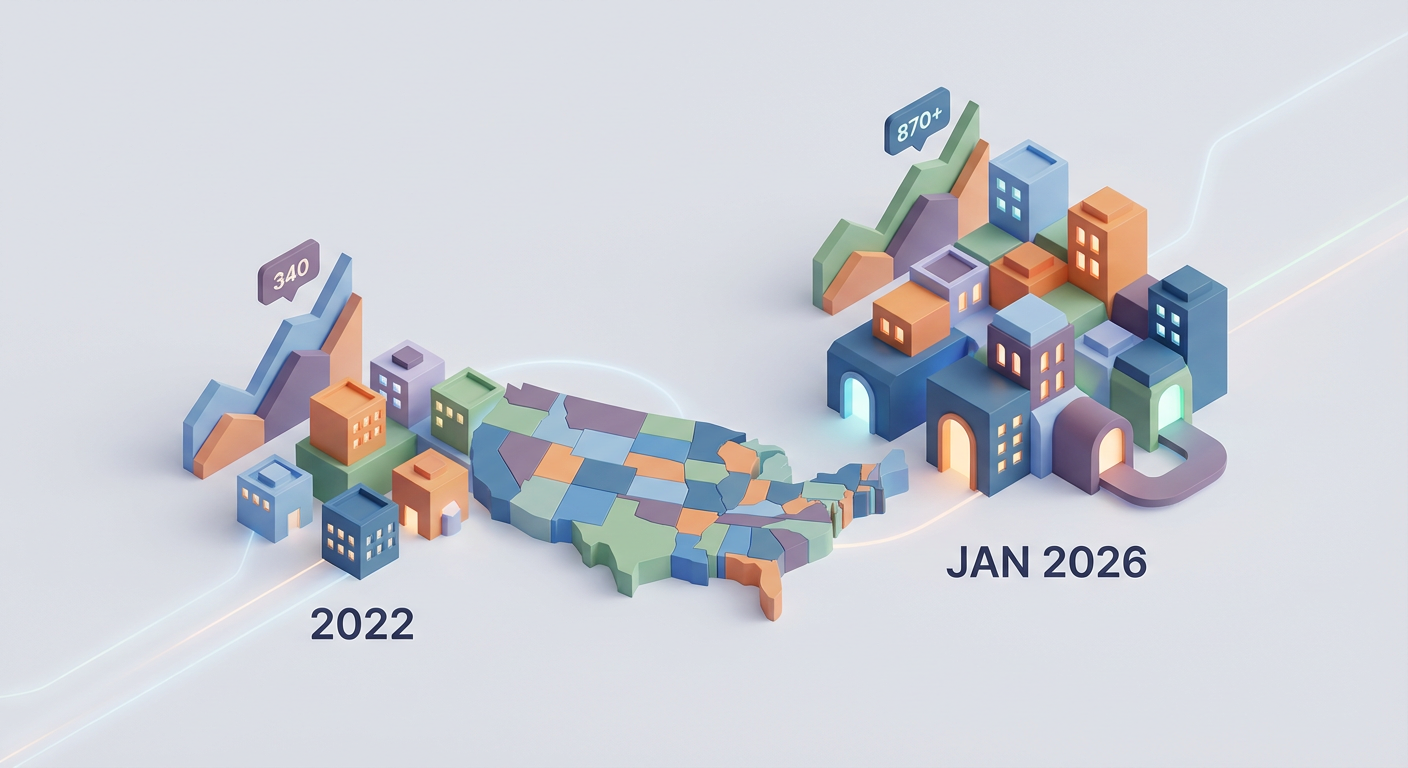
Between January and November 2025, at least 14 city-specific vinyl pressing clubs launched across the US and UK. Each one caps membership between 200 and 500 people. This is the opposite of scale. This is intentional smallness.
Chicago’s Numero Group made the move official in March 2025 when they announced their regional city edition pressing initiative. Each run produces exactly 300 copies. They sell out within hours of announcement. Not days. Hours. That’s not scarcity as a marketing strategy. That’s actual scarcity rooted in genuine community demand. When Discogs released their 2025 marketplace trends, they reported that locally pressed limited editions under 500 copies appreciated in resale value by an average of 340% within 18 months. People aren’t speculating on these records. They’re investing in them because they’re real objects from real communities.
Each city’s pressing club works differently. Some focus on local artists and labels. Others curate deep cuts from global catalogs but press them exclusively for their membership. The common thread: you’re not buying a service. You’re joining a community. You’re paying for access to records that were made with your city’s aesthetic in mind.
The Economics Actually Work at Smaller Scale
This is where it gets interesting. Subscription services operate on razor-thin margins when you’re trying to service 60,000 people across the country. Shipping costs destroy profitability. Customer acquisition gets expensive. You need those people to stay subscribed, which means you’re always gambling on curation.
Regional pressing clubs flip that equation. With 200 to 500 members, you know exactly who they are. You know their tastes because you live in their city. You can press 300 copies of a record and know they’ll sell out. Your margin improves dramatically because your overhead doesn’t scale the same way. You don’t need venture capital. You don’t need to service shareholders. You just need enough committed people who trust your judgment.
The margins also work because pressing clubs charge membership fees. This isn’t about record sales alone. It’s about sustaining a community hub that happens to release vinyl. That changes everything about how the economics function and what kind of records you can actually afford to press.
What This Moment Tells Us About Culture in 2025
The collapse of Vinyl Me Please and the rise of regional pressing clubs isn’t really about records at all. It’s about exhaustion with algorithmic curation and centralized platforms pretending to be community. It’s about people realizing that the internet made everything available but somehow made nothing feel important anymore. Vinyl subscription boxes promised to solve that problem through curation. They failed because you can’t solve a problem of meaning through convenience.
What works is friction. What works is showing up. What works is a pressing club that knows your city, reflects your city, requires you to actually pay attention. The underground didn’t fail. It just recalibrated. It stepped back from the mainstream long enough for the rest of culture to notice that the algorithm wasn’t working either.
The RIAA Vinyl Revenue Data 2024 tells us vinyl isn’t going anywhere. But the format is transforming. The mass market plateau we’re seeing isn’t a death knell. It’s a clearing, the moment where casual listeners drop off and actual communities reassert control over the format.
If you’re watching this unfold in your own city, you’re seeing culture make a deliberate choice to stay small. That decision matters. What are you hearing?