The Peak Was Already Behind Us
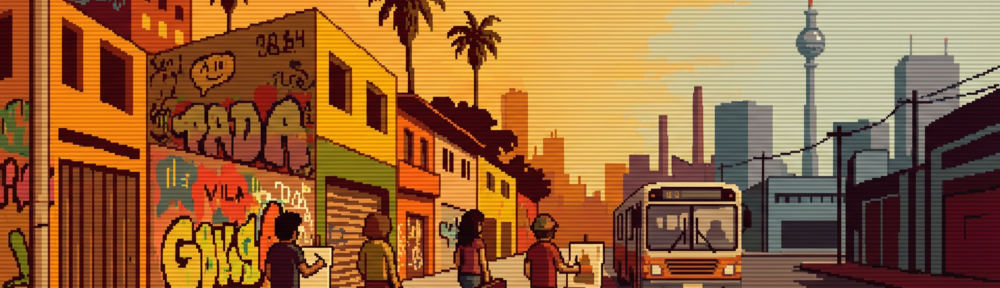
There’s a specific feeling when you realize you’re standing inside a cultural moment at the exact second it transitions into mythology. Vila Madalena had that feeling in 2024. Not in 2018 when the international press first noticed the neighborhood. Not in 2022 when the galleries started clustering on Rua Aspicuelta. But right there, in that narrow window when the street art was still genuinely dangerous, when the independent galleries outnumbered the wine bars, when you could still negotiate a studio lease without a real estate agent involved.
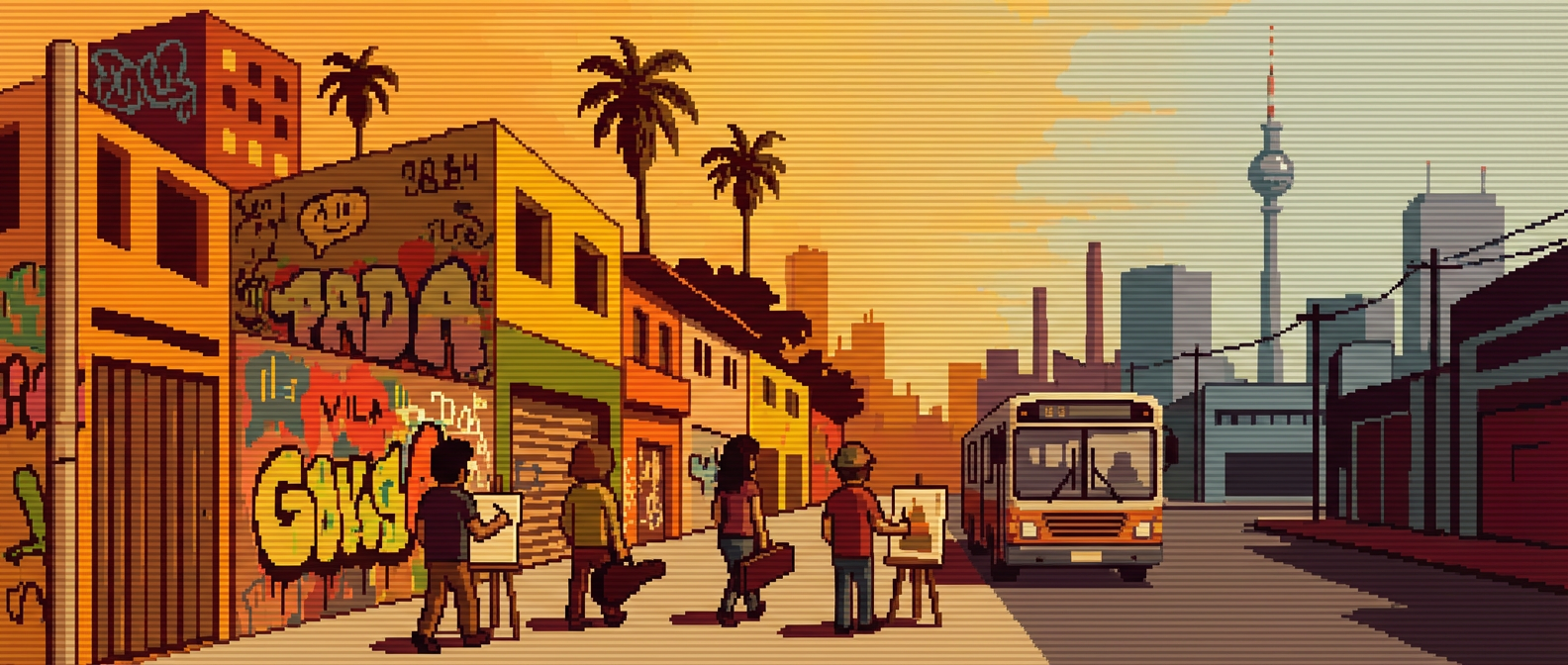
Now it’s 2026 and everyone’s calling Vila Madalena the new Berlin. The problem with that comparison is that Berlin got that title around 2008. And again in 2014. And again in 2018. At some point the metaphor stops describing a place and starts describing a real estate category. A signal to investors. A target.
The artists already know this. They’re leaving.
When the Numbers Started Telling the True Story
Between 2023 and 2025, rental prices in Vila Madalena increased 41 percent according to Brazil’s SECOVI-SP housing index. That’s not gentrification rhetoric. That’s not opinion. That’s the math of displacement written in Brazilian reais. Forty-one percent in two years means that the studio where someone was making work in early 2023 became financially impossible by late 2025. The timeline compressed. The cycle accelerated.
You can trace it through specific losses. The three anchor muralists who made Beco do Batman synonymous with São Paulo’s street art legitimacy all relocated in 2025. Two went to Pinheiros. One to Lapa. They didn’t leave because they wanted new audiences or better weather. They left because the landlords started asking questions about zoning. About what could be charged. About who was moving into the neighborhood above them.
By the end of 2025, at least 14 independent galleries operating in Vila Madalena in 2022 had either shuttered or relocated, according to coverage from ArtNexus Latin American arts coverage. Fourteen spaces. That’s not a trend line. That’s a bloodletting.
The Funding Paradox Nobody Wants to Discuss
Here’s where it gets interesting in a dark way. São Paulo’s municipal government announced a record R$180 million in cultural funding for 2025. Record allocation. Announced by the Secretaria Municipal de Cultura as an achievement worth celebrating. And it was, technically. More money for the arts is objectively better than less money for the arts.
But the money didn’t save Vila Madalena. It couldn’t have. Because funding flows toward institutions, toward registered nonprofits with fiscal accountability, toward the artists who can document their processes and present portfolios to committees. It doesn’t flow to the muralists doing illegal work on walls they don’t own. It doesn’t flow to the collectives operating out of basements without legal business licenses. It doesn’t flow to the exact people who built the cultural ecosystem that made Vila Madalena worth writing about in the first place.
The funding goes to infrastructure. To big art institutions. To the galleries that can survive rent increases because they have wealthy backers. To the artists already insulated enough to accept grants without worrying about immigration status or documentation issues. The record money is real. The cultural investment is real. And somehow it accelerates the very erasure it’s supposed to prevent.
The Moment of Peak Visibility
The 2025 SP-Arte fair felt like the crescendo. Thirty-five thousand visitors. Record attendance for South America’s largest art fair. And something genuinely important happened there alongside the gallery booths and collector networking: the fair platformed explicit conversations about how gentrification erases grassroots visual culture. The irony was almost aesthetic. The institution that draws everyone’s eyes to São Paulo’s art world while simultaneously accelerating the market forces that destroy it.
According to the SP-Arte 2025 fair recap, there were literally panel discussions about this. Artists and curators talking about displacement. About market pressure. About the speed at which neighborhoods get discovered and consumed. It was necessary conversation. But it was also the moment everyone admitted the thing was already dead. The autopsy happened while we were still discussing whether the patient looked sick.
That’s the strangest part about cultural peaks. You don’t recognize them while you’re in them. You only know you were in one by looking backward. By noticing the specific names of people who don’t live there anymore. By checking addresses and finding different businesses. By realizing that the photographs you took were documentation of something that no longer exists.
What Happens to the Moment After It Passes
Vila Madalena will be fine. It’ll be more than fine. It’ll be extremely successful in economic terms. The rents will continue climbing. The galleries will continue opening, but they’ll be showing different work to different people. The tourists will keep coming. The Instagram content will keep flowing. The neighborhood will become more efficient, more comfortable, more completely absorbed into the city’s luxury ecosystem.
But the specific moment that made it worth talking about will be over. The conditions that created it were peculiar and temporary and fragile. A moment when enough artists needed cheap space at the exact same time enough walls became available, when enough international attention turned toward São Paulo and enough people cared about the work enough to build institutions around it. Those conditions don’t repeat. They migrate.
The artists aren’t leaving São Paulo. They’re moving to neighborhoods that are currently affordable. To places where landlords haven’t yet figured out they can charge more. To the next alley that could become the next Beco do Batman before the cycle completes and the moment passes again. It’s exhausting. It’s depressing. It’s also the mechanism by which cities stay culturally alive, even as each individual neighborhood gets gentrified out of recognizability.
If you want to know what’s actually happening in São Paulo’s visual culture right now, stop looking at the articles calling places the new Berlin. Stop looking at the major galleries. Look at where the rents are still chaotic. Where the leases are informal. Where people are making work they can’t easily sell. Where the moment is happening instead of being remembered. What would you find there? What are you missing by looking at the neighborhood that’s already been written up?