The Moment We Peaked: How Vila Madalena Became Berlin Before Becoming Luxury Condos

The Peak Was Already Behind Us

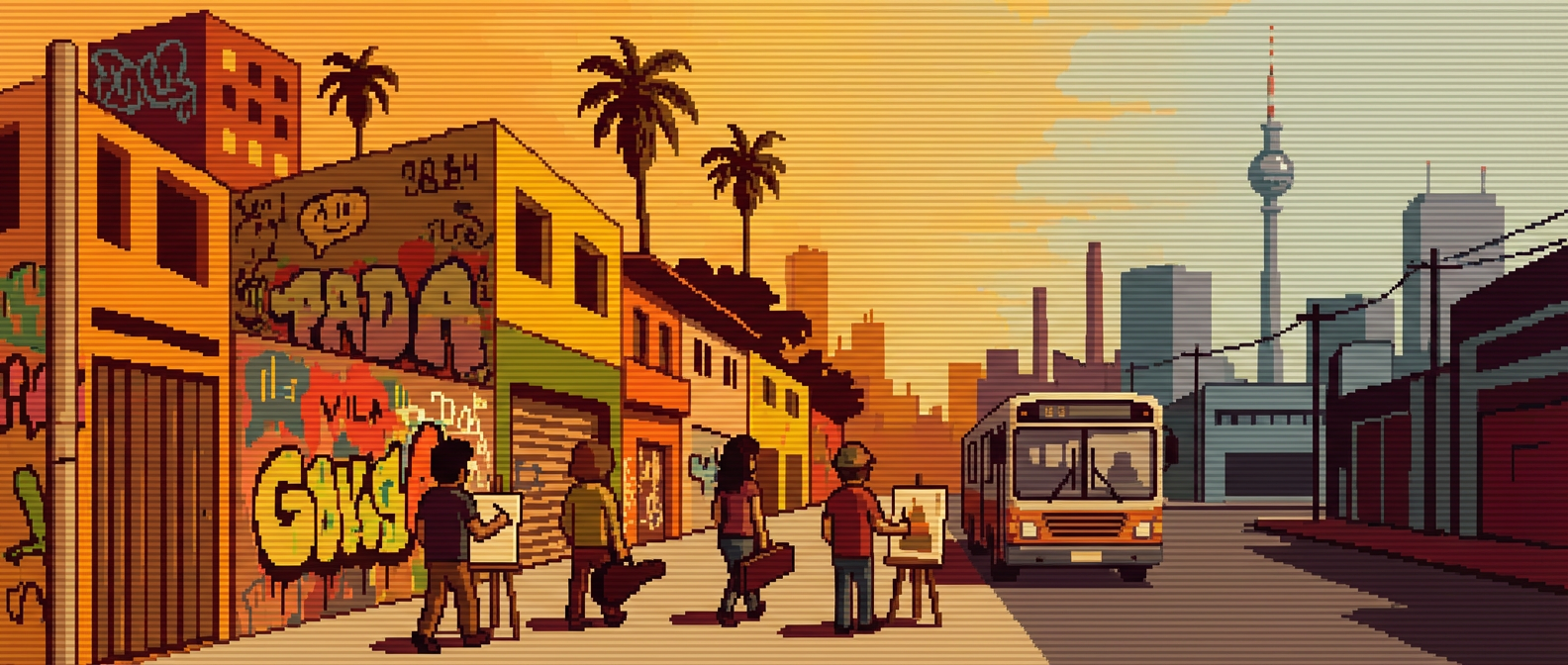
There’s a specific feeling when you realize you’re standing inside a cultural moment at the exact second it transitions into mythology. Vila Madalena had that feeling in 2024. Not in 2018 when the international press first noticed the neighborhood. Not in 2022 when the galleries started clustering on Rua Aspicuelta. But right there, in that narrow window when the street art was still genuinely dangerous, when the independent galleries outnumbered the wine bars, when you could still negotiate a studio lease without a real estate agent involved.
The Moment We Peaked: How Vila Madalena Became Berlin Before Becoming Luxury Condos

Now it’s 2026 and everyone’s calling Vila Madalena the new Berlin. The problem with that comparison is that Berlin got that title around 2008. And again in 2014. And again in 2018. At some point the metaphor stops describing a place and starts describing a real estate category. A signal to investors. A target.

The artists already know this. They’re leaving.
Illustration for The Moment We Peaked: How Vila Madalena Became Berlin Before Becoming Luxury Condos

When the Numbers Started Telling the True Story

Between 2023 and 2025, rental prices in Vila Madalena increased 41 percent according to Brazil’s SECOVI-SP housing index. That’s not gentrification rhetoric. That’s not opinion. That’s the math of displacement written in Brazilian reais. Forty-one percent in two years means that the studio where someone was making work in early 2023 became financially impossible by late 2025. The timeline compressed. The cycle accelerated.

You can trace it through specific losses. The three anchor muralists who made Beco do Batman synonymous with São Paulo’s street art legitimacy all relocated in 2025. Two went to Pinheiros. One to Lapa. They didn’t leave because they wanted new audiences or better weather. They left because the landlords started asking questions about zoning. About what could be charged. About who was moving into the neighborhood above them.

By the end of 2025, at least 14 independent galleries operating in Vila Madalena in 2022 had either shuttered or relocated, according to coverage from ArtNexus Latin American arts coverage. Fourteen spaces. That’s not a trend line. That’s a bloodletting.

The Funding Paradox Nobody Wants to Discuss

Here’s where it gets interesting in a dark way. São Paulo’s municipal government announced a record R$180 million in cultural funding for 2025. Record allocation. Announced by the Secretaria Municipal de Cultura as an achievement worth celebrating. And it was, technically. More money for the arts is objectively better than less money for the arts.

But the money didn’t save Vila Madalena. It couldn’t have. Because funding flows toward institutions, toward registered nonprofits with fiscal accountability, toward the artists who can document their processes and present portfolios to committees. It doesn’t flow to the muralists doing illegal work on walls they don’t own. It doesn’t flow to the collectives operating out of basements without legal business licenses. It doesn’t flow to the exact people who built the cultural ecosystem that made Vila Madalena worth writing about in the first place.

The funding goes to infrastructure. To big art institutions. To the galleries that can survive rent increases because they have wealthy backers. To the artists already insulated enough to accept grants without worrying about immigration status or documentation issues. The record money is real. The cultural investment is real. And somehow it accelerates the very erasure it’s supposed to prevent.

The Moment of Peak Visibility

The 2025 SP-Arte fair felt like the crescendo. Thirty-five thousand visitors. Record attendance for South America’s largest art fair. And something genuinely important happened there alongside the gallery booths and collector networking: the fair platformed explicit conversations about how gentrification erases grassroots visual culture. The irony was almost aesthetic. The institution that draws everyone’s eyes to São Paulo’s art world while simultaneously accelerating the market forces that destroy it.

According to the SP-Arte 2025 fair recap, there were literally panel discussions about this. Artists and curators talking about displacement. About market pressure. About the speed at which neighborhoods get discovered and consumed. It was necessary conversation. But it was also the moment everyone admitted the thing was already dead. The autopsy happened while we were still discussing whether the patient looked sick.

That’s the strangest part about cultural peaks. You don’t recognize them while you’re in them. You only know you were in one by looking backward. By noticing the specific names of people who don’t live there anymore. By checking addresses and finding different businesses. By realizing that the photographs you took were documentation of something that no longer exists.

What Happens to the Moment After It Passes

Vila Madalena will be fine. It’ll be more than fine. It’ll be extremely successful in economic terms. The rents will continue climbing. The galleries will continue opening, but they’ll be showing different work to different people. The tourists will keep coming. The Instagram content will keep flowing. The neighborhood will become more efficient, more comfortable, more completely absorbed into the city’s luxury ecosystem.

But the specific moment that made it worth talking about will be over. The conditions that created it were peculiar and temporary and fragile. A moment when enough artists needed cheap space at the exact same time enough walls became available, when enough international attention turned toward São Paulo and enough people cared about the work enough to build institutions around it. Those conditions don’t repeat. They migrate.

The artists aren’t leaving São Paulo. They’re moving to neighborhoods that are currently affordable. To places where landlords haven’t yet figured out they can charge more. To the next alley that could become the next Beco do Batman before the cycle completes and the moment passes again. It’s exhausting. It’s depressing. It’s also the mechanism by which cities stay culturally alive, even as each individual neighborhood gets gentrified out of recognizability.

If you want to know what’s actually happening in São Paulo’s visual culture right now, stop looking at the articles calling places the new Berlin. Stop looking at the major galleries. Look at where the rents are still chaotic. Where the leases are informal. Where people are making work they can’t easily sell. Where the moment is happening instead of being remembered. What would you find there? What are you missing by looking at the neighborhood that’s already been written up?

The Coffee Shop Era: How Specialty Cafes Became the Bar’s Unlikely Successor

The Numbers Tell a Story We’re Not Ready to Admit

Something fundamental shifted in how we gather. The data arrived quietly, almost apologetically, buried in industry reports that nobody outside the hospitality world reads. Per-capita alcohol consumption in the US hit its lowest point since 1990. Not lowest in a decade. Since 1990. That’s the year before grunge killed hair metal, before the internet existed, before we collectively decided that getting obliterated was basically a personality type. According to the IWSR 2025 US Beverage Alcohol Trends, we’re drinking less. Significantly less.

Meanwhile, specialty coffee shops are opening at three times the rate of bars in major metropolitan areas. Three to one. That’s not a coincidence, and it’s not even a trend anymore. That’s a wholesale replacement of one social infrastructure with another, happening in real time while we argue about whether oat milk is bourgeois.

The Bar Was Never Just About the Drink

Here’s what we’re mourning without saying it out loud: the bar was the third place. You know the term. Home. Work. Bar. That’s where you went when you needed to be around people who weren’t paying you and didn’t require you to pay them. Where the bartender knew your order. Where you could sit alone or with friends and feel equally welcome. Where time moved differently. Nothing was required of you except your presence and loose change.

Bars ran on a specific cultural contract. They were where you became known. Where stories accumulated. Where you could be broken and nobody would report it to your employer. Theoretically equalizing spaces, too. A lawyer sat next to a construction worker sat next to an artist. The darkness helped. Nobody had to perform their resume.

This is what makes the transition so genuinely disorienting. We’re not losing drinking culture. We’re losing the architecture of that particular kind of belonging.

Coffee Shops Filled the Vacuum We Created

The numbers are almost too clean to believe. Forty-one percent of adults aged 21 to 35 now identify coffee shops as their primary third place for socializing. That’s up from 28 percent just six years ago. Not coincidentally, Gregorys Coffee in New York extended its evening hours, added natural wine pairings, and saw after-6pm foot traffic climb 38 percent in a single year. The coffee shop is openly, deliberately becoming the bar. It’s not even trying to hide it anymore.

But coffee shop infrastructure is fundamentally different. You can’t just be there. There’s an implicit transaction. You buy coffee. You occupy space. You’re a consumer, not a person seeking refuge. It’s cleaner. More efficient. More compatible with capitalism. You’re never just sitting. You’re always purchasing.

The Specialty Coffee Market Is Betting Everything

The global specialty coffee market is projected to reach $83.5 billion by 2027. That’s not a luxury spend, and it’s not a bubble. That’s economic real estate being reorganized at scale. According to the National Restaurant Association State of the Industry 2025, coffee shop openings are outpacing bar openings three to one. Capital flows where it always flows: toward what’s profitable and replicable.

The specialty coffee shop is far more scalable than the bar ever was. You can’t bottle the specific alchemy that makes a good bar work. But you can replicate a good coffee shop. Franchise it. Standardize the experience. Control the atmosphere with playlists and lighting design and customer education programs. Measure foot traffic, optimize pricing, build a loyalty program. The whole thing becomes legible to a spreadsheet.

This is why capital loves coffee shops. And it’s also why they will never be what bars were.

What We’re Actually Losing

The elegance of the bar was that it was a place where you could fail. Unemployed, heartbroken, politically unpopular, financially wrecked. None of it mattered. You had money for a drink, or you knew the bartender, or you knew somebody who did. There was always a way in.

Coffee shops are places where you have to perform competence. You have to know what you want. Order correctly. Look like someone who belongs in a space built to be photographed and discussed. The entire social contract is different. You’re not seeking refuge. You’re seeking to be seen seeking refuge in the right way.

The cultural loss is real, even if it’s quiet. Nobody’s writing obituaries. But something about how we belong to each other is being restructured. We’re trading spaces where nobody monitored your behavior for spaces where everything gets monitored, optimized, and quantified. We’re trading ambiguity for clarity. The mess for the aesthetic.

What do you think is being lost in this shift? What are you witnessing in your own city? Drop your thoughts in the comments. I want to hear what social spaces feel authentic to you now.

Micro-Cinema Is Back and It’s Beating Netflix: How 2025’s Independent Screening Culture Became the New Gallery Opening

The Venue Died So Indie Cinema Could Live

Remember when going to the movies meant choosing between three multiplexes within a fifteen-minute drive, all playing the same fourteen films? That particular death knell sounded sometime around 2018. What nobody predicted was what would grow from the corpse: a screening culture so fractured, so deliberately small, so aggressively opposed to the algorithm that it’s started feeling like the only genuine counterculture left in American cities.

Micro-Cinema Is Back and It's Beating Netflix: How 2025's Independent Screening Culture Became the New Gallery Opening
Micro-Cinema Is Back and It’s Beating Netflix: How 2025’s Independent Screening Culture Became the New Gallery Opening

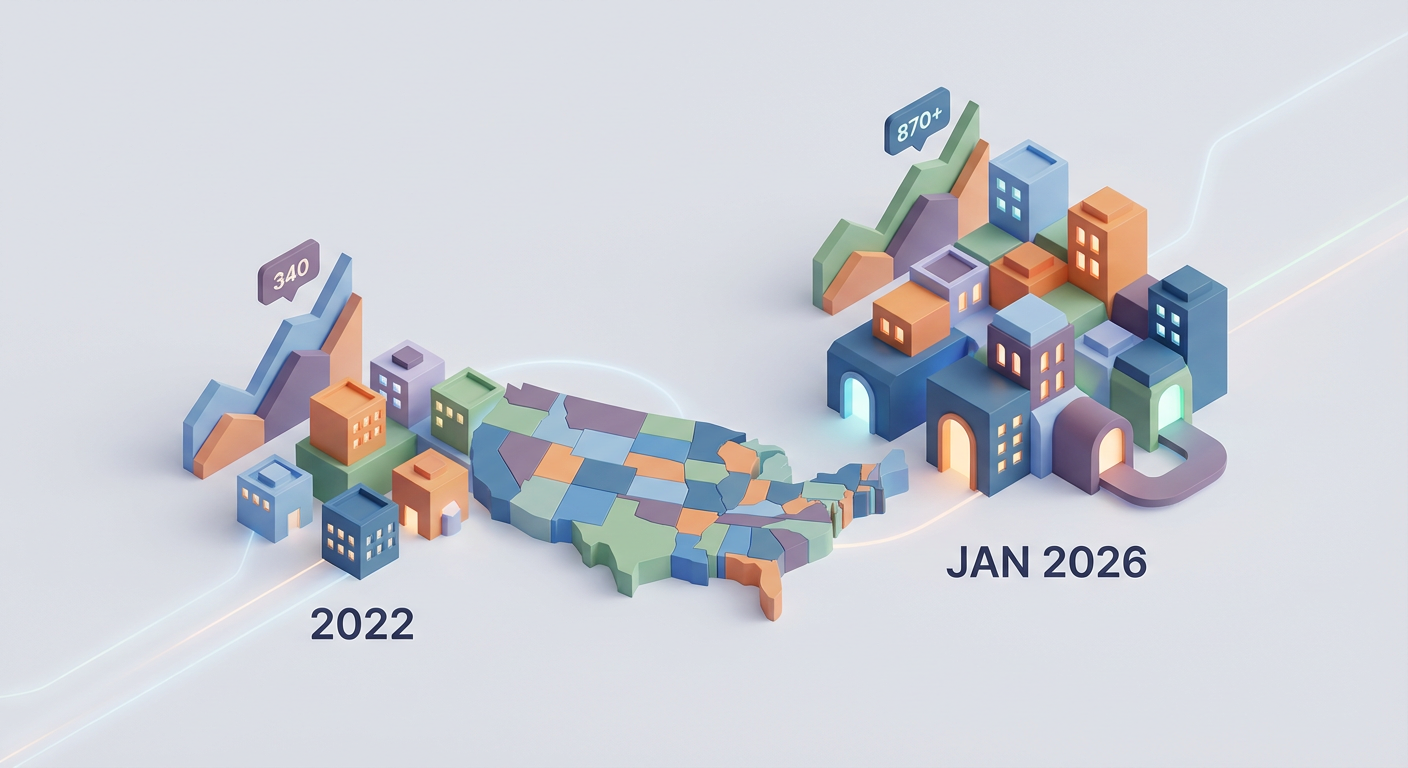
The numbers tell a story that the streaming wars never could. Between 2022 and early 2026, the number of registered micro-cinema venues in the United States more than doubled, jumping from 340 to over 870 according to the Cinema Foundation Independent Venue Census 2026. These aren’t boutique theaters fighting to survive. They’re proliferating. They’re thriving. They’re doing what the traditional film industry swore was impossible: making cinema matter to people again by making it small, local, and deliberately impractical to access.

This isn’t nostalgia. This is structural. When Netflix raised prices again in 2024, when HBO Max fractured into three separate subscription services, when the entire streaming ecosystem revealed itself to be a financial pyramid scheme masquerading as convenience, something shifted in how people thought about cinema. Not as content to be consumed. As an event. As a reason to leave the house. As culture that still requires your physical presence to feel real.

Illustration for Micro-Cinema Is Back and It's Beating Netflix: How 2025's Independent Screening Culture Became the New Gallery Opening
Illustration for Micro-Cinema Is Back and It’s Beating Netflix: How 2025’s Independent Screening Culture Became the New Gallery Opening

How the Algorithm Lost to the Curated Room

The streaming platforms saw it coming. They had to. Why else would MUBI, the art-film streaming service that spent years insisting its algorithm was superior to human curation, suddenly reverse course and begin aggressively partnering with physical screening spaces? The company reported a 55 percent increase in partnerships with independent venues throughout 2025, funneling content into rooms and theaters that would have seemed like dinosaurs five years ago. The MUBI Go Live Program Details page reads like a surrender. It’s also their most successful initiative to date.

What changed isn’t technology. It’s psychology. Humans spent thousands of years gathering in dark spaces to watch light flicker on a wall. We called it ritual. We called it ceremony. We called it going to the movies. Streaming was supposed to free us from that need. Instead, it revealed that the need was the entire point. The gathering matters more than the content. The room matters more than the algorithm. The person next to you matters more than the recommendation engine.

This is why a ticketed film screening in a 150-person converted warehouse is now growing three times faster than a live music show in the same city. According to a 2025 Eventbrite cultural trends analysis, in cities with populations under 500,000, film screening events grew 78 percent faster than live music events. Let that sink in. Film screenings, which the industry was convinced were dead, are now outpacing the one cultural form that everyone assumed was eternal and unkillable.

The Mickey 17 Moment: When Underground Built the Hype

Bong Joon-ho’s 2025 film “Mickey 17” shouldn’t have needed independent micro-venues. It had a $200 million marketing budget. It had studio backing. It had everything traditional cinema supposedly required. Instead, it got screened at over 200 independent micro-venues before its wide release, and those grassroots screenings generated more pre-release momentum than the entire official marketing campaign, according to Variety’s tracking data. The film didn’t become a cultural moment because it was marketed at you. It became one because someone you trusted invited you to watch it in a room where the room mattered.

This is what the studios couldn’t commodify. They tried. They built prestige. They built scarcity. They built event cinema around tentpole releases, and it worked for exactly as long as people felt obligated to participate in shared culture. Once that obligation dissolved, once streaming made isolation the default, the only way to rebuild cultural commonality was to make the alternative actually good. Not better. Different. Intentional. Curated by humans who actually cared about the films, not by algorithms optimized for watch-time.

The irony is that the biggest film of 2025 succeeded because it trusted the infrastructure the industry abandoned. The underground venues that were supposed to be museums. The screening rooms that were supposed to be hobbies. The distributors who worked with independent theaters out of principle rather than profit. They built the moment that the $200 million marketing budget could only follow.

Cinespia Sold Out, and So Did Everyone Else

Cinespia, the Los Angeles-based collective that pioneered outdoor micro-cinema screenings, sold out all 42 of its events in 2025. Every single one. On StubHub, resale tickets were averaging $85. These are outdoor screenings in a city where you can watch almost any film on demand for $4.99. People were paying seventeen times that markup to sit outside in a specific chair next to specific strangers watching a specific film at a specific time that the algorithm didn’t choose for them.

This is what capitalism tried to kill and accidentally proved was invaluable. The scarcity. The inconvenience. The friction. Every streaming platform spent twenty years optimizing convenience, and what they learned is that convenience is the enemy of meaning. Meaning requires effort. Meaning requires showing up. Meaning requires risking that tonight’s screening might not be for you, might be at a venue you’ve never been to, in a neighborhood that’s three buses away, in a room where the sound might cut out and someone will have to fix it manually.

That risk is the entire thing. That’s what people are paying for. That’s what economy of scale could never replicate and the algorithm could never understand.

The Real Loss and What Comes Next

Here’s the honest part: the growth of micro-cinema doesn’t erase what we lost. The neighborhood multiplex is gone. The cinema as public commons is gone. What we have now is a fractured, boutique, fundamentally unequal system where film culture survives in cities where it’s profitable and disappears everywhere else. Los Angeles has 870 micro-venues. Tulsa has four. The democratization of cinema in 2025 is also the elitification of cinema in 2025, and anyone pretending otherwise is selling something.

What’s happening now is real, though. It’s happening at scale. It’s happening in cities that Netflix forgot and platforms overlooked. It’s the cultural memory of cinema reorganizing itself around the understanding that watching film alone, in a room lit by a screen, is the opposite of why humans made movies in the first place. Movies were always about gathering. We just needed to lose everything else first to remember that.

The micro-cinema boom is one part genuine cultural recovery and one part survival strategy for an industry that realized too late that streaming was a prison, not a revolution. That matters. What comes next matters more. Are you watching? Where are you watching? And who are you watching it with?

The Quiet Revolution: Why Black-Owned Bookstores Are Now America’s Real Literary Gatekeepers

The Numbers Tell a Story Publishers Won’t

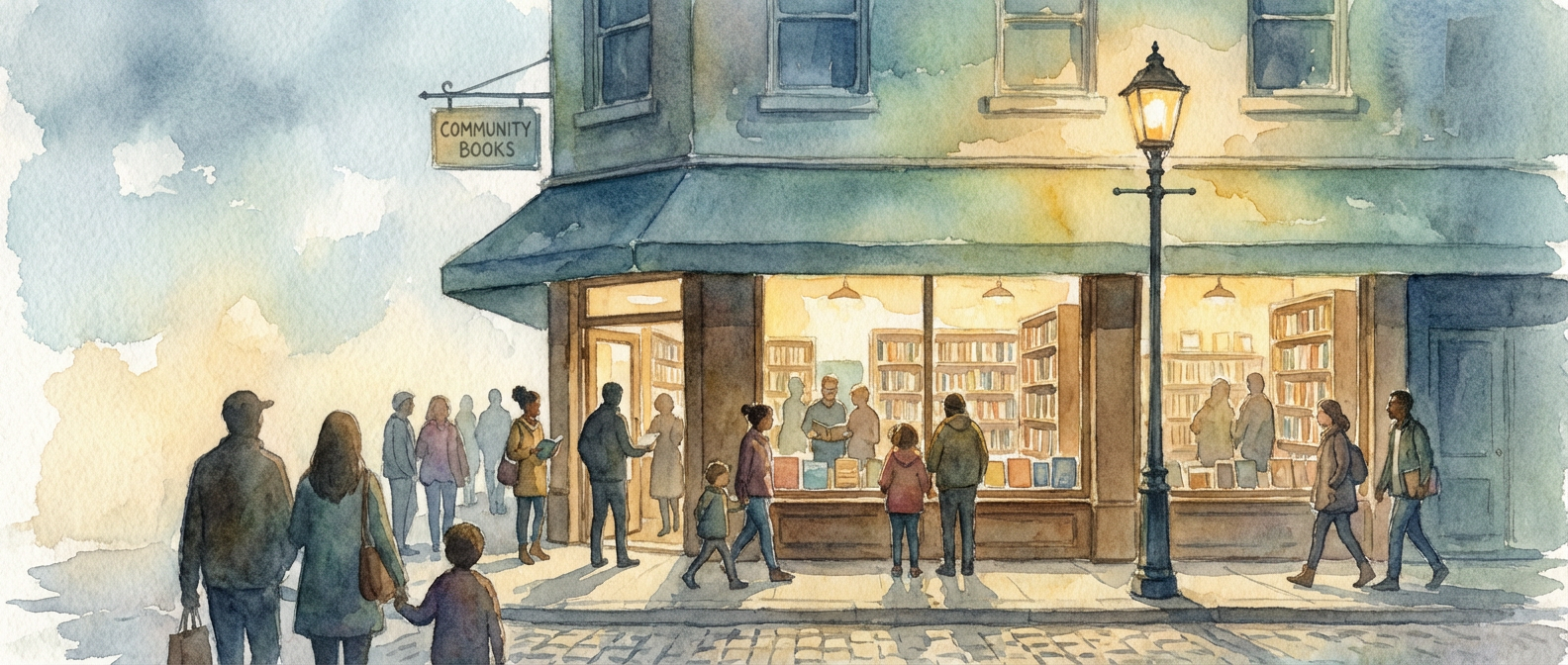
Between 2020 and 2025, Black-owned independent bookstores grew from 188 locations to 267. That’s a 42% increase in five years. Let that sit for a second. While Amazon was consolidating power and traditional publishing houses were posting quarterly earnings reports about “market saturation,” an entire infrastructure was being quietly constructed in neighborhoods from Harlem to South L.A. This wasn’t a trend. It was a correction.

The Quiet Revolution: Why Black-Owned Bookstores Are Now America's Real Literary Gatekeepers
The Quiet Revolution: Why Black-Owned Bookstores Are Now America’s Real Literary Gatekeepers

The American Booksellers Association IndieCommerce and Diversity Data confirmed what anyone paying attention already knew: this is the strongest growth segment in the independent bookstore landscape. Every other category flat-lined or contracted. Only this one moved upward. That’s not because Black bookstore owners suddenly figured out how to beat Jeff Bezos at his own game. It’s because they stopped trying to compete on those terms altogether and built something different.

Hand-Selling Still Beats the Algorithm

Here’s where this gets uncomfortable for the Silicon Valley crowd: titles by Black authors recommended by staff at Black-owned bookstores outsold the same books on Amazon by an average of 3.4x in comparable neighborhoods. A 2025 Verso Books analysis proved what literary culture has always known but could never quantify. The algorithm doesn’t know what matters. People do.

Danielle Mullen at Semicolon Bookstore in Chicago hosted 120 community events in 2025 and pulled in 1.1 million in annual revenue from a single location. That’s not just a bookstore. That’s a cultural institution that happens to sell books. Her staff wasn’t optimizing for engagement metrics. They were building relationships. They knew which customers would lose it over a particular novelist. They could recommend a debut author nobody had heard of and know exactly who would buy three copies as gifts. Amazon can’t compete with that because algorithms can’t replicate care.

Publishing Finally Noticed What Should Have Been Obvious

In January 2026, Mahogany Books in Washington D.C. announced a publishing imprint partnership with Penguin Random House, the first time Penguin Random House had made such a deal with a Black-owned independent bookstore. Ramunda and Derrick Young didn’t need permission to start their publishing arm. They already had the credibility. They already knew exactly which books their community wanted to read. They already had the distribution channel. All they did was formalize what was already working.

This is the part that should terrify traditional gatekeepers. Mahogany Books doesn’t represent one store’s success. It represents a model. Once one Black-owned bookstore proves it can successfully run a publishing operation, others will follow. They have institutional knowledge. They understand their markets better than acquisitions committees in Manhattan. They have customers who will show up to launch events. They don’t have shareholders demanding 15% quarterly growth. They have communities demanding better books.

Discovery Happens Here Now, Not at The New York Times Book Review

The Hurston/Wright Foundation Programming data from 2025 was revealing in ways that some outlets preferred not to broadcast: Black-owned bookstores hosted 68% of debut author events for Black writers. Not independent bookstores in general. Specifically Black-owned ones. This means if you’re a Black author publishing for the first time, your launch event is more likely to happen at a Black bookstore than anywhere else. Your first readers will find you there. Your first reviews will come from community members who trust that space. Your career is being built in these locations.

That’s not just cultural impact. That’s infrastructure. That’s the machinery of literary culture, and it’s not in the hands of publishing conglomerates anymore. It’s distributed across hundreds of independent spaces run by people who actually read and actually live in their communities. A debut author in Atlanta has a better chance of being discovered at a Black-owned bookstore than getting reviewed in a national outlet that publishes 200 book reviews per year. The math is obvious once you stop thinking like New York.

What This Actually Means

This is uncomfortable because it suggests that traditional literary infrastructure was never designed to serve everyone equally. The fact that it takes the explicit construction of alternative spaces to get equal representation isn’t a victory. It’s an indictment. But it’s also where the actual energy is now. The best debut fiction is being discovered in these stores. The most important new voices are being introduced to readers here. The next generation of readers is learning that stories like theirs matter in these spaces specifically.

Five years ago, this was a grassroots movement. Now it’s a 42% growth rate with publishing deals and venue parity with national book reviewers. The shift from grassroots to infrastructure doesn’t happen overnight, but it’s unmistakably underway. The question for everyone else in literary culture is whether they’ll acknowledge that shift or keep pretending algorithms and quarterly earnings reports determine what matters.

If you’re paying attention to where literary culture is actually happening, you’re probably already spending time in these spaces. If you’re not, the algorithm won’t tell you what you’re missing. You’ll have to find out the old-fashioned way. By showing up.

How Instagram Ruined Venice (and Started a Revolution)

The Selfie That Broke the Canal

Picture this: it’s 2024, some influencer with 800k followers posts themselves in a ballgown standing in a Venetian residential canal. The caption says something about “hidden gems” and “locals don’t want you to know.” Within seventy-two hours, that canal becomes impassable. Tour groups clot the waterways. Residents can’t get groceries. Historic buildings shake from the vibration of packed gondolas.

How Instagram Ruined Venice (and Started a Revolution)

This wasn’t a hypothetical. This was Venice last year. And it was the moment when something shifted in how cities and their actual inhabitants decided to fight back.

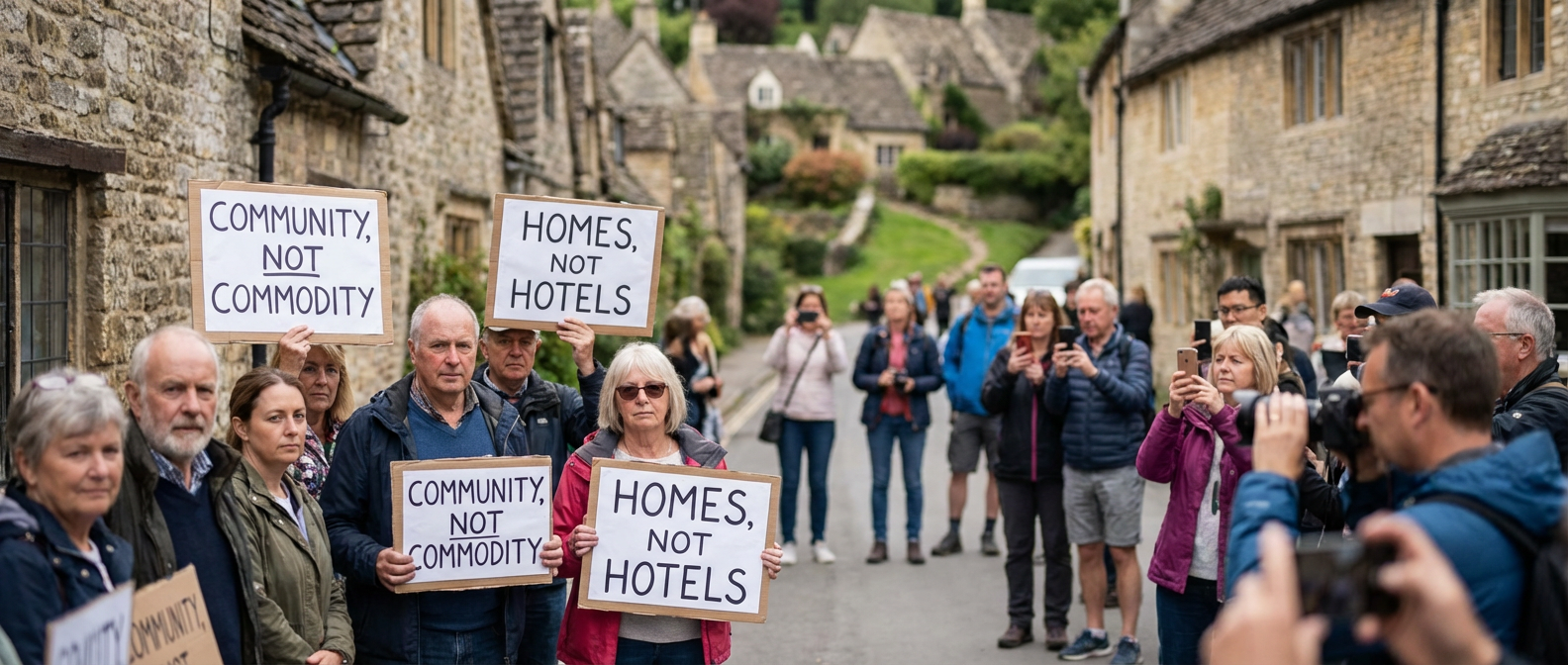
What started as grumbling in neighborhood chat groups evolved into something more organized, more angry, and frankly more effective. The Venetian community organization Venezia Non è Disneyland went from 4,000 members to 31,000 members between January 2025 and January 2026. That’s not growth. That’s an uprising. And it wasn’t just about tourism fatigue anymore. It was about cultural survival.

When Data Becomes a Weapon

Here’s where it gets interesting from a movement perspective: the people fighting back stopped relying on emotional arguments and started building a case with numbers. The World Tourism Organization 2025 Global Survey showed that 73% of residents in over-touristed cities cited social media-driven visitor behavior as their top concern, beating out general overcrowding for the first time ever. That statistic alone fundamentally reframed the conversation. This wasn’t nostalgia. This wasn’t locals being precious about their neighborhoods. This was a measurable crisis caused by algorithmic amplification.

The data made resistance feel legitimate. Suddenly, city councils had evidence they could wave at skeptical tourism boards. Local governments had ammunition. Barcelona’s city council didn’t wake up in September 2025 and decide to cap daily visitors at 200 people across 37 designated sites because they hated fun. They did it because structural damage had occurred at three historic locations from overcrowding directly traced to TikTok-promoted content tourism. That’s not NIMBY. That’s infrastructure failure.

What’s remarkable is how this weaponized data approach spread across continents. Kyoto implemented a ¥1,000 per-day levy on visitors entering the Gion district in October 2025, not as some draconian measure but as a practical funding mechanism. In the first three months alone, they collected ¥230 million. More importantly, those funds went directly to displaced local residents. They turned tourism revenue into reparations. It’s the kind of policy design that makes you realize most cities have been approaching this backwards the entire time.

The Economics of Viral Locations

A January 2026 paper in the Tourism Management Journal quantified something residents already knew: locations that gained over 50 million TikTok views saw local rental prices spike by an average of 19% within eighteen months. That’s not gradual gentrification. That’s weaponized displacement. Young artists, longtime families, small business owners get priced out because an algorithm decided their neighborhood was aesthetically on-brand.

The backlash movements understood this clearly. They weren’t anti-tourism. They were anti-extraction. There’s a massive difference. Tourists spending money in a community is one thing. An extractive economy where tech companies monetize authenticity while locals get displaced is another thing entirely.

What emerged was a kind of grassroots urban defense strategy. Residents documented which influencers were creating the damage. They mapped viral locations and tracked price changes. They formed coalitions across neighborhoods. They pressured platforms to throttle certain hashtags. Some communities got creative with infrastructure changes: narrowing walkways, removing benches, making locations genuinely less photogenic. Venice started doing this strategically. Less beautiful for the camera meant fewer photos meant fewer viral moments meant fewer stampedes.

From Complaint to Political Force

The shift from cultural grumbling to actual political movement happened when local governments realized residents had electoral power. Barcelona’s visitor cap didn’t emerge from hospitality industry consensus. It came from residents voting with their anger. Venice’s 31,000-member organization had become a voting bloc. Kyoto’s levy passed because residents demanded compensation. Cities discovered they could actually say no.

That’s the real story here. Not that Instagram is bad or TikTok is evil or influencers are shallow. Those critiques are tired. The story is that distributed communities figured out how to organize against algorithmic amplification. They turned the same networks that created the problem into organizing tools. They built evidence. They created policy alternatives. They made city councils choose between tourism revenue and resident survival, and they won because the math actually worked in their favor.

Some cities are now experimenting with digital tourism caps, limiting how many people can book reservations to certain areas on certain days. Others are implementing cultural education requirements before visiting certain neighborhoods, turning the problem of over-tourism into an opportunity for genuine engagement. A few are even exploring revenue sharing models where a percentage of tourism income funds local housing preservation.

What Comes Next

The movement isn’t finished. If anything, it’s accelerating. What started in Venice and Barcelona is now spreading to Bangkok, Reykjavik, Bali, and dozens of other places where Instagram success has become an existential threat. The template is emerging: document the damage, quantify it, organize residents, pressure platforms and city councils simultaneously, propose alternative policies that benefit both tourism and community stability.

What I find genuinely compelling about this moment is that it shows how grassroots movements can actually scale in the social media age when they have real leverage. This isn’t abstract politics. It’s about whether cities remain places where actual human communities can exist, or whether they become outdoor museums curated by algorithm.

The backlash against aesthetic tourism is turning into something bigger: a fight over who cities belong to. If you’re tracking culture and politics intersecting, this is where the real action is happening. What are you seeing in your own neighborhood or city? How is this playing out where you are?