The Moment It Landed
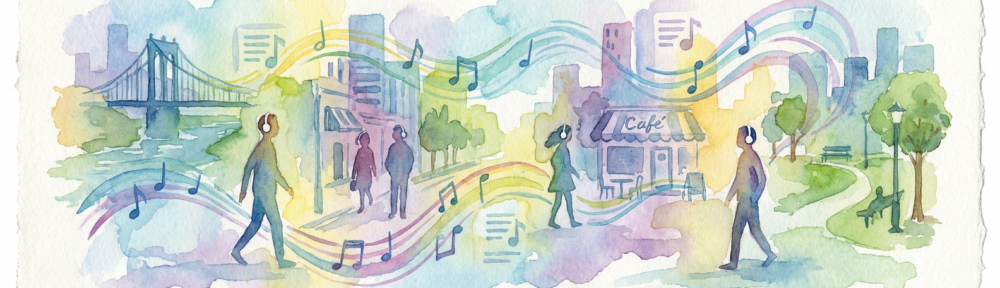
September 2025 arrived with a feature so deceptively simple it almost slipped past unnoticed. Spotify launched City Sounds, a generative playlist system that pulls anonymized streaming data from specific zip codes and assembles them into sonic snapshots of actual neighborhoods. No algorithms trained on mainstream taste. No editorial team in Stockholm deciding what authenticity looks like. Just the raw aggregate of what people in your block are actually listening to at 11pm on a Tuesday.
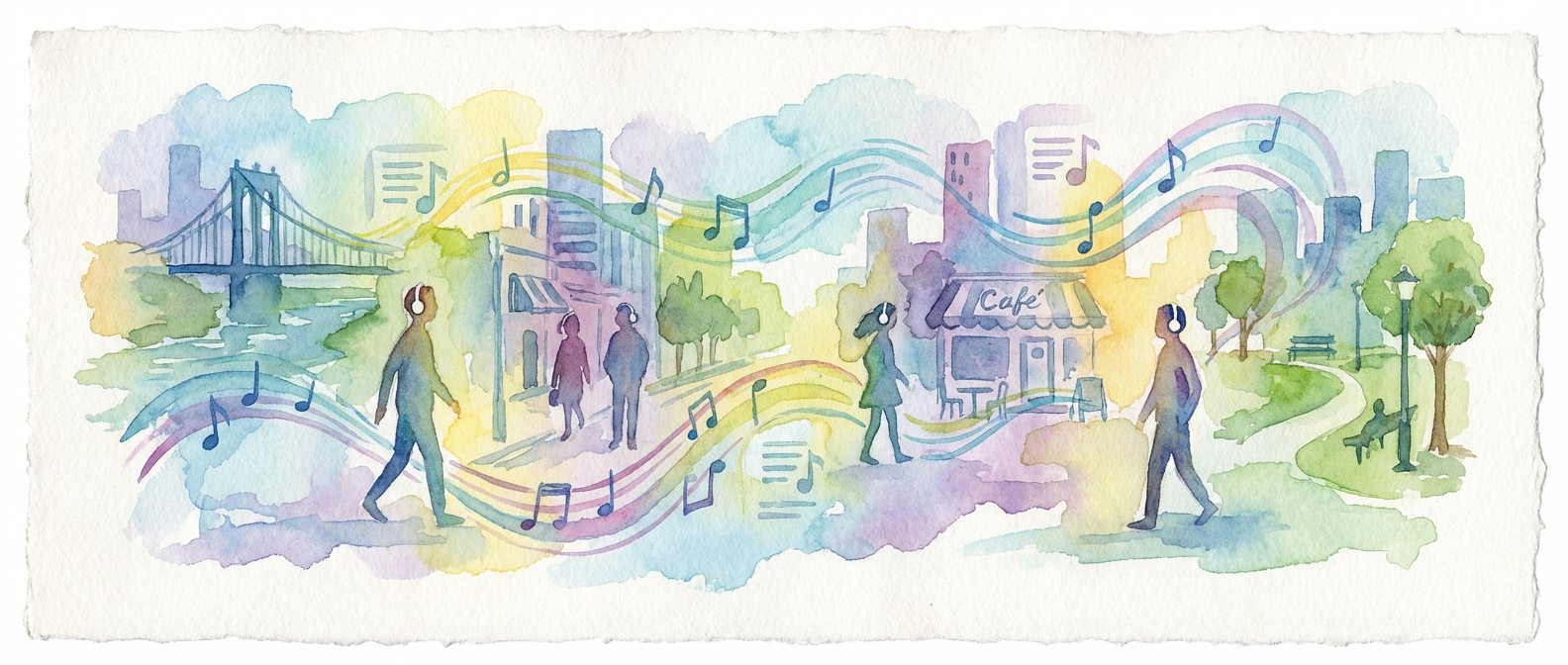
Within two months, 12 million users had activated the feature. That’s not a viral moment. That’s a behavioral shift. People wanted this badly enough that they found it without hype cycles or celebrity endorsements. They wanted proof that their neighborhood had a sound. That proof mattered.
Why This Works: The Data Behind the Feeling
Here’s where the infrastructure meets the reality. Spotify Newsroom: City Sounds Feature Launch revealed that City Sounds processes millions of data points from defined geographic areas, creating something that’s both mathematically precise and emotionally resonant. It’s the opposite of the generic “Urban Chill” playlist. This is your actual street, sonically rendered.
A 2025 study in the Journal of Urban Studies found something worth sitting with: when people encounter curated audio environments specific to place, they spend 23% more time in those spaces. They linger. They notice things. The commercial logic here is obvious to anyone paying attention, but the cultural effect runs deeper. Place becomes legible through sound. A neighborhood stops being an abstraction and becomes a frequency.
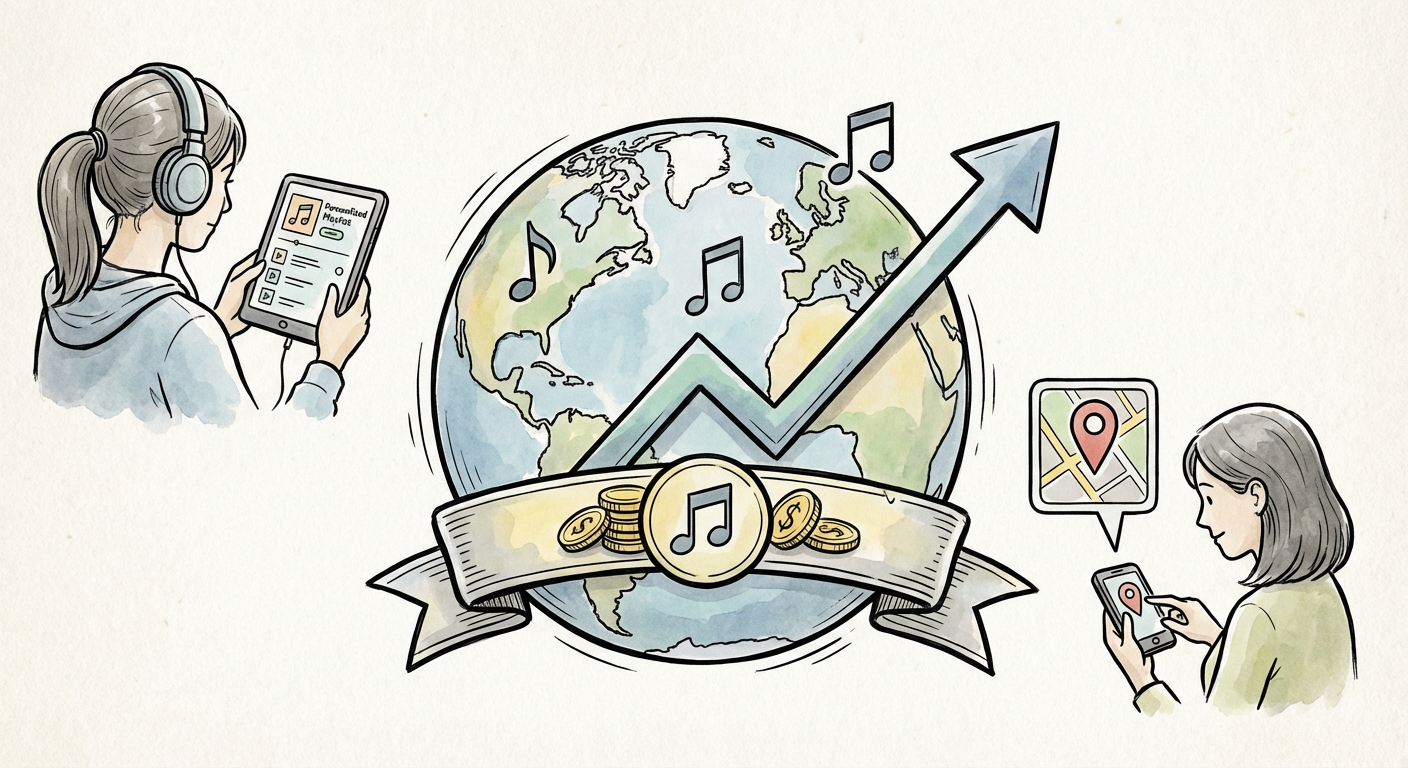
Statista Global Music Streaming Market Report 2025 positioned hyper-personalization and location-based features as the primary drivers of premium subscription growth. Translation: this is what people are actually willing to pay for now. Not infinite choice. Specific choice. Neighborhood choice.
Bed-Stuy Proved the Point in October
Then October happened, and a Bed-Stuy playlist went viral. Not in the retweets-per-minute sense. In the way that matters for unsigned artists. Six local creators who had no connection to major labels, no TikTok momentum, no industry relationships suddenly found themselves with a combined 14 million new streams in two weeks. Their neighborhood had become their distribution network.
This is the part that gets my attention and also makes me uncomfortable. Yes, Spotify opened a new path for discovery. Yes, hyper-local curation surfaces voices that never would have made it through traditional gatekeeping. But let’s be precise about what’s happening: Spotify is monetizing the authenticity of neighborhood culture while the infrastructure for compensating that authenticity remains structurally inadequate. Those six artists saw 14 million streams. Most of them probably cleared less than a semester’s rent.
The feature works because it’s honest in a way the music industry usually isn’t. It reflects actual taste at the granular level. It refuses to pretend that culture flows top-down. But it operates within a system that still extracts value more effectively than it distributes it. This is capitalism’s favorite move: claiming to democratize while consolidating control.
Paris Did Something Different
In November, something shifted the conversation slightly. Paris’s City of Culture department partnered with Spotify to integrate City Sounds data into its official ‘Parcours Sonores’ urban walking tour initiative. This was the first time a municipal government had collaborated directly with a streaming platform to merge cultural infrastructure with platform data. Officials walked the streets with headphones on, listening to what their citizens actually listened to, treating it as legitimate urban documentation.
That move matters because it legitimizes the neighborhood playlist as a form of cultural knowledge. It’s not just entertainment anymore. It’s evidence. Sociologists have known for decades that place is constructed through repeated patterns of cultural practice. Now those patterns are visible, quantifiable, shareable. A city government looked at that data and said this is worth knowing. This is part of how our culture works.
What We’re Really Looking At
City Sounds captures something real about how contemporary urban culture actually operates. We experience neighborhoods through sound. We recognize them through music. That recognition matters for identity, for belonging, for the basic human need to know where you fit in a sprawling city.
But being precise requires honesty about the architecture. This feature exists because the global music streaming market hit $34.6 billion in 2025 and that value needs somewhere to go. Spotify isn’t philanthropically documenting neighborhoods. It found a way to monetize cultural specificity that was previously invisible to its systems. That’s neither good nor bad. It’s efficient.
The question worth asking isn’t whether this technology is good or bad. It’s whether it changes the actual conditions for artists and listeners in ways that matter. Can a neighborhood playlist generate enough attention for unsigned artists to sustain themselves? Can hyper-local curation create new economic opportunities, or does it just redistribute existing attention? Does documenting neighborhood sound help strengthen community, or does it make community something that can be packaged and consumed more efficiently?
Those answers will determine whether City Sounds becomes a genuine tool for cultural equity or just another mechanism for extracting value from authenticity. The technology is neutral. The choices about what to do with it are everything. What have you heard on your neighborhood playlist that made you understand your street differently? That’s the conversation worth having.