The Algorithm Ate My Underground
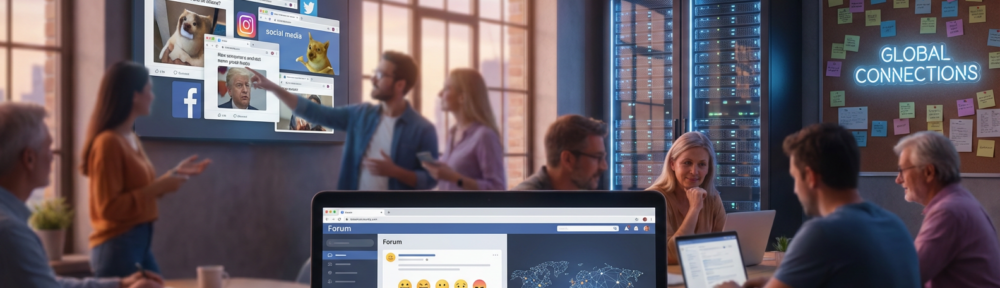
Remember when finding cool shit online required actual effort? When stumbling across a forum dedicated to experimental music or discovering a Discord server for people who collect vintage synths felt like archaeological work? Those days are dead. The platforms that once supported genuine digital subcultures have been strip-mined by engagement algorithms that prioritize virality over authenticity.
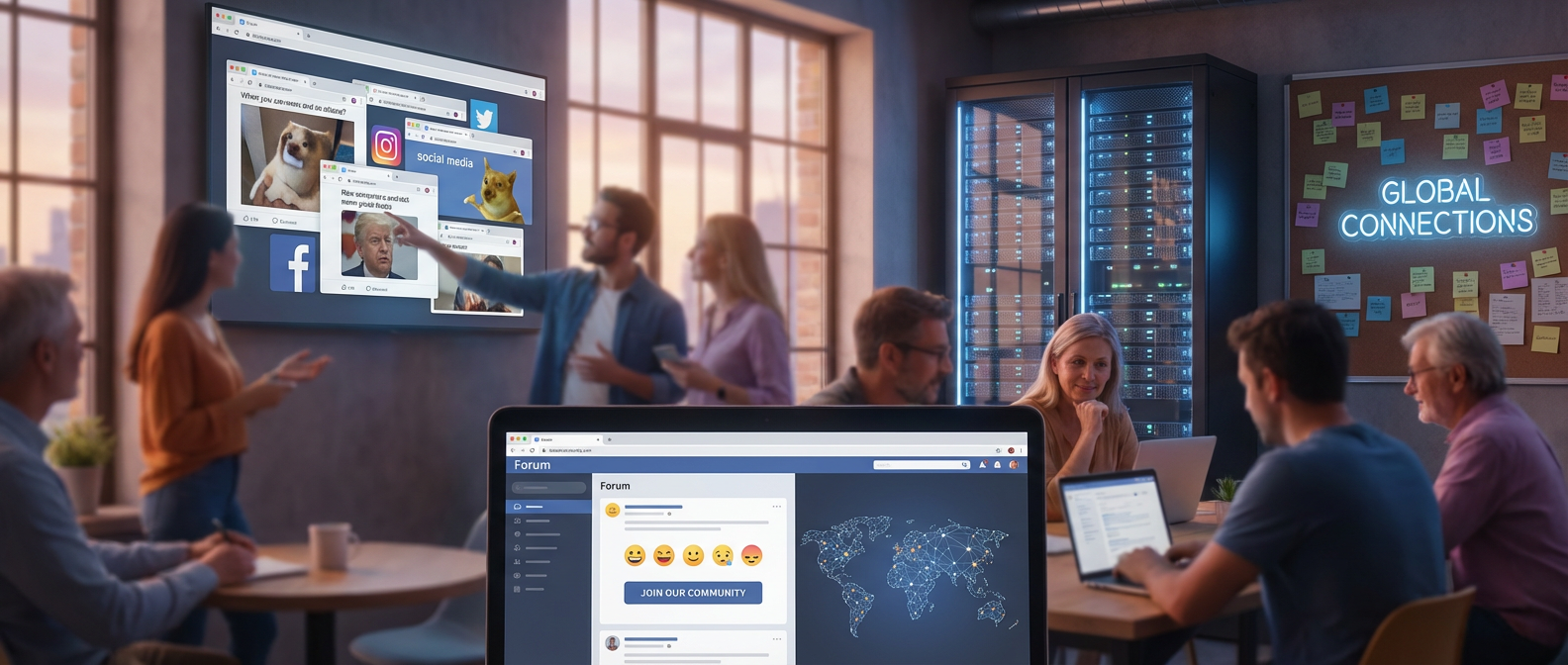
The transformation happened quietly. One day you’re deep in a rabbit hole of connected websites, each link leading to stranger and more specific communities. The next day, you’re trapped in a content carousel designed to keep you scrolling through algorithmically-selected posts that feel increasingly similar. The weird corners of the internet didn’t disappear overnight. They were systematically smoothed out by platforms that confused engagement with community.
Take TikTok’s “For You” page. It’s phenomenally good at showing you content you’ll watch, but catastrophically bad at building the kind of serendipitous discovery that created early internet culture. When every piece of content is optimized for maximum retention, everything starts looking the same. The algorithm doesn’t want you to find your tribe. It wants you to stay engaged long enough to see the next ad.
The Commodification of Belonging
Digital communities used to form around shared obsessions, not shared demographics. Early forums and IRC channels were organized around interests so specific they bordered on the absurd. There were communities for people who modified GameBoys, for amateur radio enthusiasts in specific geographic regions, for fans of obscure Japanese noise bands. These spaces thrived because they had no commercial purpose beyond bringing together people who cared deeply about the same weird thing.
Now those same communities get absorbed into broader platforms where their conversations become data points in advertising profiles. Discord servers that started as genuine gathering places for niche interests get invaded by “growth hackers” looking to monetize engaged communities. Reddit communities that once felt like digital third places become testing grounds for viral marketing campaigns disguised as organic posts.
The shift isn’t just about advertising. It’s about the basic logic of how digital spaces operate. When platforms prioritize growth metrics over community health, they inevitably favor content that appeals to the broadest possible audience. The result is a race to the middle that leaves no room for the genuinely strange or challenging ideas that made early internet culture so alive.
Aesthetic Rebellion Without Cultural Substance
Don’t mistake the current wave of “alternative” aesthetics for genuine counterculture. The explosion of terms like “dark academia,” “cottagecore,” and “indie sleaze” represents something completely different from the organic subcultures that emerged from shared values and practices. These are lifestyle brands masquerading as movements, carefully packaged for consumption rather than participation.
Real digital counterculture was messy, unpolished, and often deeply uncomfortable. It emerged from people who had something to say, not something to sell. The websites looked terrible because no one cared about optimizing user experience. The music was unlistenable because it prioritized experimentation over accessibility. The writing was pretentious because the authors were working through complex ideas in public rather than crafting content for maximum shareability.
Today’s “alternative” online spaces feel like elaborate mood boards rather than genuine cultural laboratories. They’re aesthetically sophisticated but intellectually hollow. They reproduce the visual language of rebellion while stripping away everything that made underground culture actually threatening to mainstream sensibilities. When your subculture can be reduced to a Pinterest board, it’s not a subculture anymore.
The Platform Problem
The issue isn’t just that algorithms favor mainstream content. It’s that the dominant platforms are structurally incapable of supporting genuine community formation. Instagram’s emphasis on visual content prioritizes style over substance. Twitter’s character limit encourages hot takes over thoughtful discussion. TikTok’s endless scroll makes sustained engagement with specific communities nearly impossible.
These design choices aren’t accidental. They reflect the business models of companies that profit from attention rather than connection. The platforms that shaped early internet culture, from Usenet to LiveJournal to even early MySpace, were built around different principles. They prioritized tools for communication and self-expression over mechanisms for content discovery and viral distribution.
The result is a digital landscape where community formation happens despite the platforms rather than because of them. The most interesting online spaces today exist in the margins: invite-only Discord servers, private Slack workspaces, small forums that deliberately avoid growth. These communities survive by actively resisting the gravitational pull of mainstream platforms and the growth-at-all-costs mentality they represent.
Toward Digital Degrowth
The solution isn’t to abandon digital community entirely or retreat into nostalgia for the early internet. It’s to deliberately choose platforms and practices that prioritize depth over scale, connection over engagement, and sustainability over growth. This means supporting independent platforms that operate on different principles. It means participating in communities small enough that your absence would be noticed.
Most importantly, it means accepting that genuine digital culture might be incompatible with the current economic structure of the internet. The most alive online communities today are often the ones that explicitly reject monetization, growth hacking, and platform optimization. They exist because their members value the community itself more than its potential as a stepping stone to broader recognition or commercial success.
The future of digital counterculture doesn’t lie in competing with mainstream platforms on their own terms, but in building spaces that operate according to entirely different logic. This requires both technical innovation and cultural imagination. We need platforms designed for communities rather than audiences, tools that support genuine connection rather than parasocial relationships, and economic models that don’t require endless growth to survive.
What spaces have you found that still feel genuinely countercultural? Where do you go online when you want to discover something that will actually surprise you rather than confirm what the algorithm already knows about your preferences?