When the Basement Was Still Sacred
There was a three-month window in early 2019 when everything aligned perfectly. Kids were still discovering music through stolen Wi-Fi in McDonald’s parking lots, uploading 90-second tracks to SoundCloud from cracked FL Studio sessions. The major labels hadn’t figured out how to manufacture the aesthetic yet. TikTok existed but hadn’t weaponized micro-fame. Instagram was still chronological.
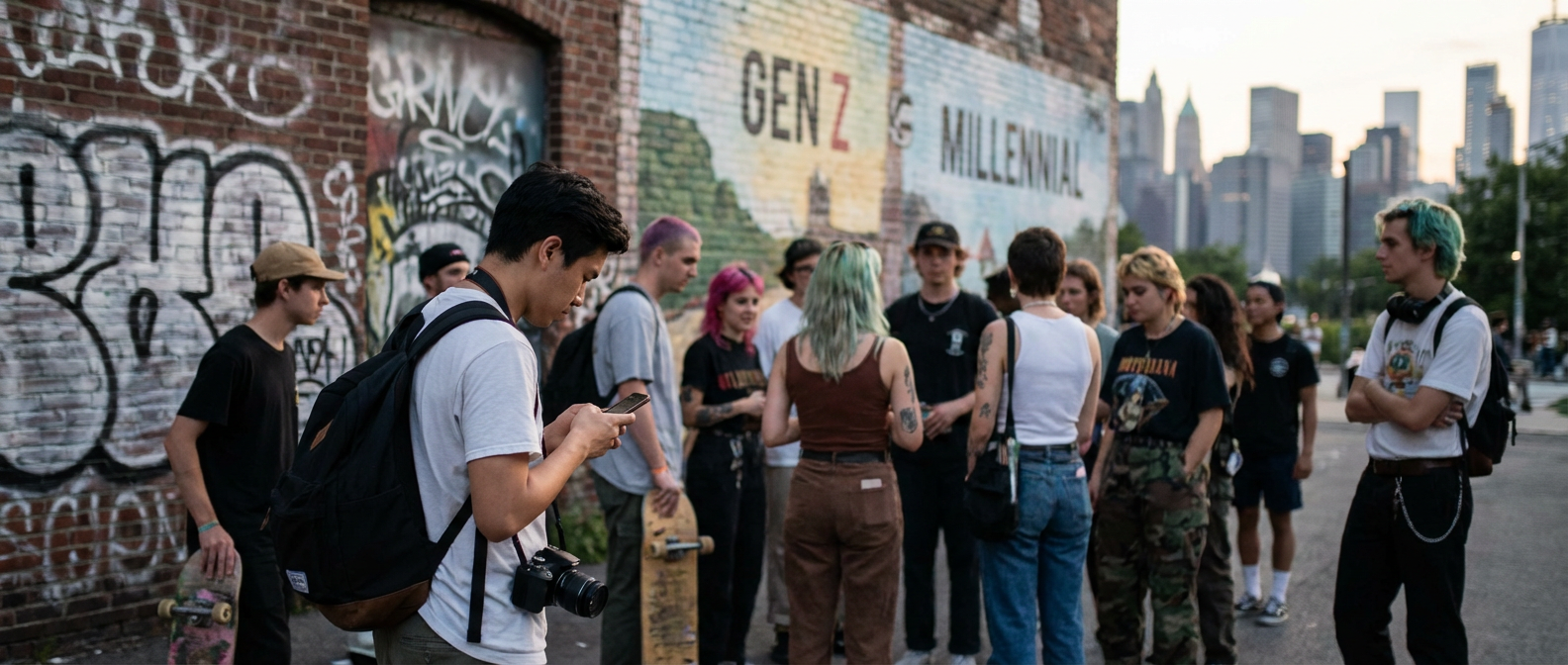
This was the last moment of genuine youth subculture as we knew it. Not the sanitized version that gets packaged and sold back to teenagers six months later, but the real thing. Chaotic, unmonetized, and completely outside adult comprehension. The conditions that created this brief cultural high were already disappearing even as it happened.
What made 2019 SoundCloud rap different wasn’t just the music. It was the infrastructure of discovery. Kids found artists through rabbit holes that took hours to navigate. You’d start with one track, follow a producer tag to another artist, dive into their collaborators, discover a local scene three states away. The algorithm was primitive enough that human curation still mattered. Playlist culture was driven by kids with 200 followers who somehow had better taste than major label A&Rs.
The Economics of Authenticity
Here’s what the industry publications missed while writing think pieces about “mumble rap”: these kids had built a completely parallel economy. Beats sold for $30 on Traktrain. Studio time got traded for social media promotion. Merchandise was screen-printed in basements and sold at house shows that weren’t even technically concerts.
The financial barriers to entry had collapsed just enough to let creativity flourish, but not so much that venture capital had moved in to optimize everything. A decent microphone cost $100. Basic recording software was free. Distribution was handled by platforms that still cared more about reach than squeezing every dollar from users. Artists could build genuine followings without needing to understand conversion funnels or engagement metrics.
The irony is brutal. These kids built something authentic partly because they were locked out of traditional industry gatekeeping, but that same exclusion made them vulnerable when the platforms inevitably shifted toward monetization. By late 2019, SoundCloud was pushing subscription services. Instagram was testing creator funds. The infrastructure that had enabled genuine underground culture was being quietly retrofitted for profit maximization.
Digital Natives, Analog Hearts
What separated this moment from earlier youth movements wasn’t just technology, but how that technology worked with genuine geographic community. These weren’t bedroom producers making beats alone. Scenes developed around physical spaces. The music was digital, but the culture was hyperlocal.
In Atlanta, kids were recording in the same abandoned warehouses where earlier generations had thrown raves. In Los Angeles, studio sessions happened in apartment complexes where multiple producer collectives shared equipment and electricity bills. The internet amplified local scenes instead of replacing them entirely. You still had to know someone who knew someone to get in the door.
The aesthetic reflected this tension between digital tools and physical spaces. Grainy phone videos shot in parking garages. Album covers made from security camera screenshots. Music videos filmed in 24-hour laundromats with iPhone cameras and ring lights from Amazon. There was an unconscious visual language developing that perfectly captured the experience of growing up online while still being tethered to specific places and communities.
The Algorithm’s Victory Lap
By 2020, the shift was complete. TikTok’s recommendation engine had trained a generation to optimize for 15-second hooks instead of full songs. Spotify’s playlist placement became more valuable than organic fan discovery. Major labels started signing artists based on streaming analytics instead of live performance energy or scene credibility.
The kids who had created the 2019 moment either got absorbed into the industry machine or found themselves competing with AI-generated content designed to trigger the same neural pathways their music once activated naturally. The platforms that initially enabled creative freedom had become smart enough to simulate creativity without requiring actual innovation.
What died wasn’t just a particular sound or aesthetic, but the conditions that made subcultural development possible. The feedback loop between creation, distribution, and discovery became so fast that genuine scenes couldn’t develop organically anymore. Everything had to be immediately scalable or it got buried by algorithms that preferred content performing consistently across demographics.
After the Last Dance
The kids who lived through that brief window understand something their slightly younger siblings never will: what it felt like to discover music that wasn’t designed to be discovered. To participate in culture that hadn’t been focus-grouped or A/B tested. To experience the internet as a tool for genuine connection instead of behavioral modification.
Some of them are still out there, building smaller networks, experimenting with new platforms before they get monetized, trying to recreate the conditions that made authentic culture possible. They understand that the next underground moment won’t look like SoundCloud rap, but it will require the same thing: spaces where creativity can develop faster than capital can colonize it.
The question isn’t whether genuine youth subculture can exist anymore, but whether we can recognize it when it emerges and resist the urge to immediately optimize it out of existence. The answer might be hiding in your DMs right now, three months before anyone writes about it.