From Basement Dwellers to Market Makers
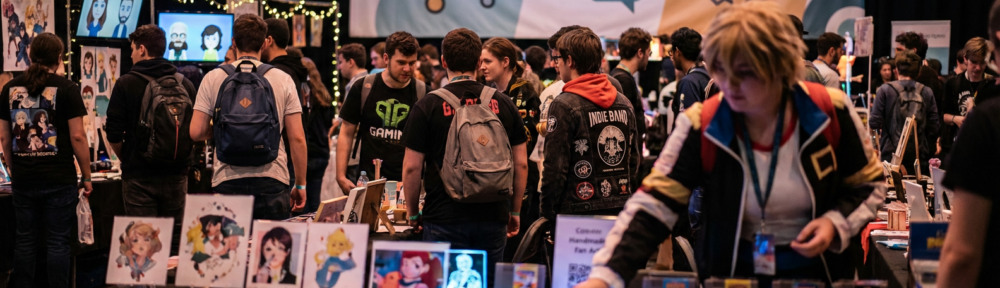
The transformation happened quietly, then all at once. What started as niche online communities gathering around shared obsessions turned into a massive economic force worth an estimated $34 billion globally. Merchandise sales, convention attendance, streaming revenues, and creator partnerships now fuel an industry that barely existed two decades ago.
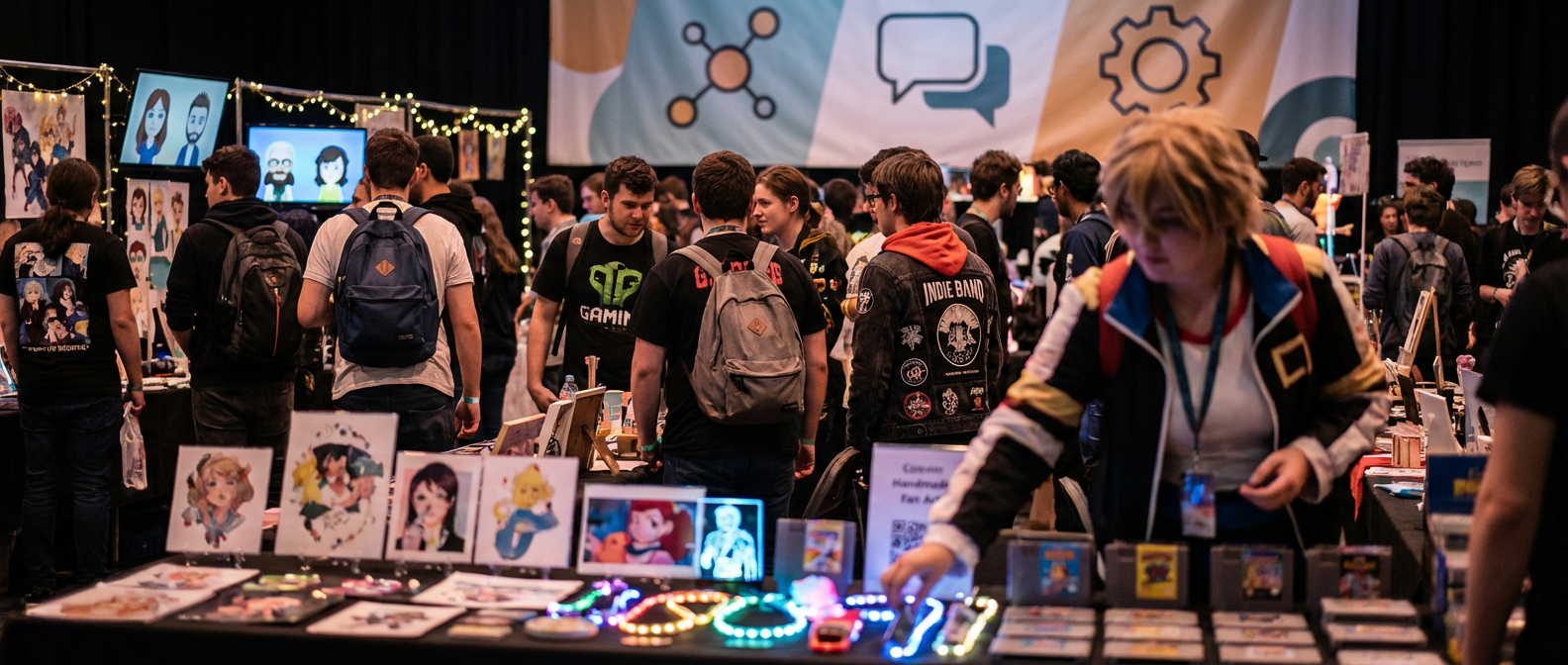
This isn’t your grandmother’s fan club. Modern fandom operates like a sophisticated cultural machine, with its own languages, hierarchies, and economic flows. The shift from passive consumption to active participation completely changed how audiences engage with media. Fans became producers, critics became influencers, and obsession became a legitimate career path.
The timeline tells the story. LiveJournal communities in the early 2000s. Tumblr’s creative explosion around 2010. Twitter stan armies mobilizing by 2015. TikTok fandom taking over by 2020. Each platform shift brought new tools, new behaviors, and new revenue streams.
The Psychology of Digital Devotion
Parasocial relationships drive the engine. Researchers now study these one-sided emotional connections as a distinct psychological phenomenon, tracking how audiences form intimate bonds with creators they’ll never meet. The illusion of friendship becomes real economic force when multiplied across millions of followers.
Stan armies show this power in action. These organized fan groups can manipulate streaming charts through coordinated listening campaigns, fund billboards in Times Square, and orchestrate boycotts that tank stock prices. They operate with military precision, complete with strategies, hierarchies, and shared resources. The same energy that drives chart manipulation also fuels cancel culture campaigns. Devotion cuts both ways.
The relationship between creator and audience has completely changed. Traditional media gatekeepers matter less when fans can directly support their favorites through Patreon subscriptions, merchandise purchases, and engagement algorithms. This direct line creates unprecedented intimacy and unprecedented pressure.
The Creative Commons Revolution
Fanfiction platforms house over 10 million stories spanning major fandoms, creating the largest collaborative writing project in human history. Archive of Our Own, Wattpad, and similar sites function as massive creative laboratories where amateur writers experiment with established characters and worlds.
This isn’t derivative dreck. Many fanfic writers have technical skill that rivals published authors. They explore themes mainstream media won’t touch, represent identities Hollywood ignores, and satisfy audience desires that official content leaves unfulfilled. The quality spans from teenage diary entries to literary masterpieces that spawn their own fandoms.
The fandom-to-professional pipeline runs deep across creative industries. Video game designers, comic book artists, television writers, and digital artists frequently emerge from fan communities. Companies now actively recruit from these spaces, recognizing that passionate amateurs often surpass trained professionals in understanding audience desires. Know Your Meme culture tracking documents how internet subcultures influence mainstream media production cycles.
Geography Dies, Community Survives
Generation Z increasingly finds its tribes online rather than in physical neighborhoods. Geographic community mattered when shared space created shared experience. Digital community matters when shared interests create shared identity. The mosque, church, or community center gets replaced by Discord servers and subreddit forums.
These digital spaces offer something traditional communities often failed to provide: acceptance based on chosen affinity rather than inherited circumstance. Queer teenagers in conservative towns find their people through fandom. Autistic adults discover communication styles that work through special interest communities. Social anxiety dissolves when interaction happens through carefully crafted profiles and considered responses.
The downsides are real. Echo chambers amplify extreme positions. Harassment campaigns target vulnerable individuals. Platform changes can destroy years of relationship building overnight. But for many young people, online community provides the belonging that offline options never offered. Fandom culture analysis at Vulture explores how these digital tribes are reshaping cultural production and consumption patterns.
What Comes After the Fandom Economy?
The current model shows strain. Creator burnout increases as audiences demand constant content and personal access. Platform algorithms prioritize engagement over quality, rewarding controversy and manufactured drama. Economic inequality grows between superfans with disposable income and passionate fans without resources.
New models emerge from these tensions. NFT communities attempt to gamify belonging through artificial scarcity. Virtual reality spaces promise deeper immersion and interaction. Blockchain technologies could enable fan ownership of intellectual property. The metaverse might finally deliver on fandom’s promise of truly shared fictional worlds.
The trajectory seems clear. Fandom culture will continue expanding its influence over mainstream entertainment, politics, and commerce. The question isn’t whether this trend will continue, but how institutions will adapt to a world where passionate niche communities wield unprecedented economic and cultural power.
The fandom economy is more than entertainment industry disruption. It signals a fundamental shift toward community formation based on shared passion rather than shared circumstance. Understanding these dynamics becomes essential for anyone trying to navigate contemporary cultural production, audience development, or community building in the digital age.